26 September 2025
At first glance, Art and Science may seem like opposing disciplines—the expressive versus the analytical, the imaginative versus the factual. Yet, throughout history, they have often been intertwined, each informing and enriching the other. Science provides frameworks to understand the world, while Art offers tools to interpret, communicate, and humanise those discoveries. Together, they form a powerful partnership, reminding us that creativity and curiosity are not separate pursuits but interconnected pathways to knowledge.
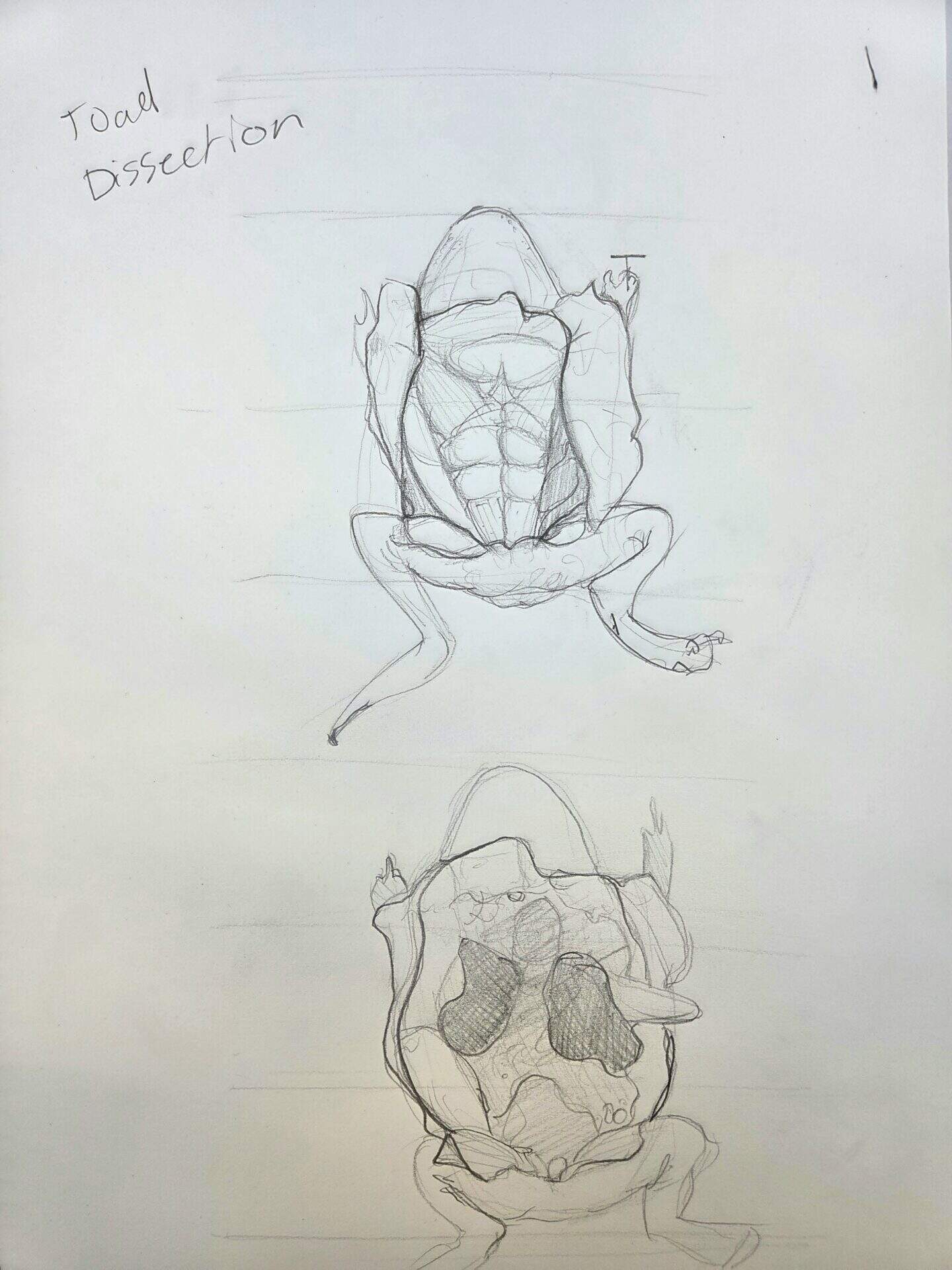
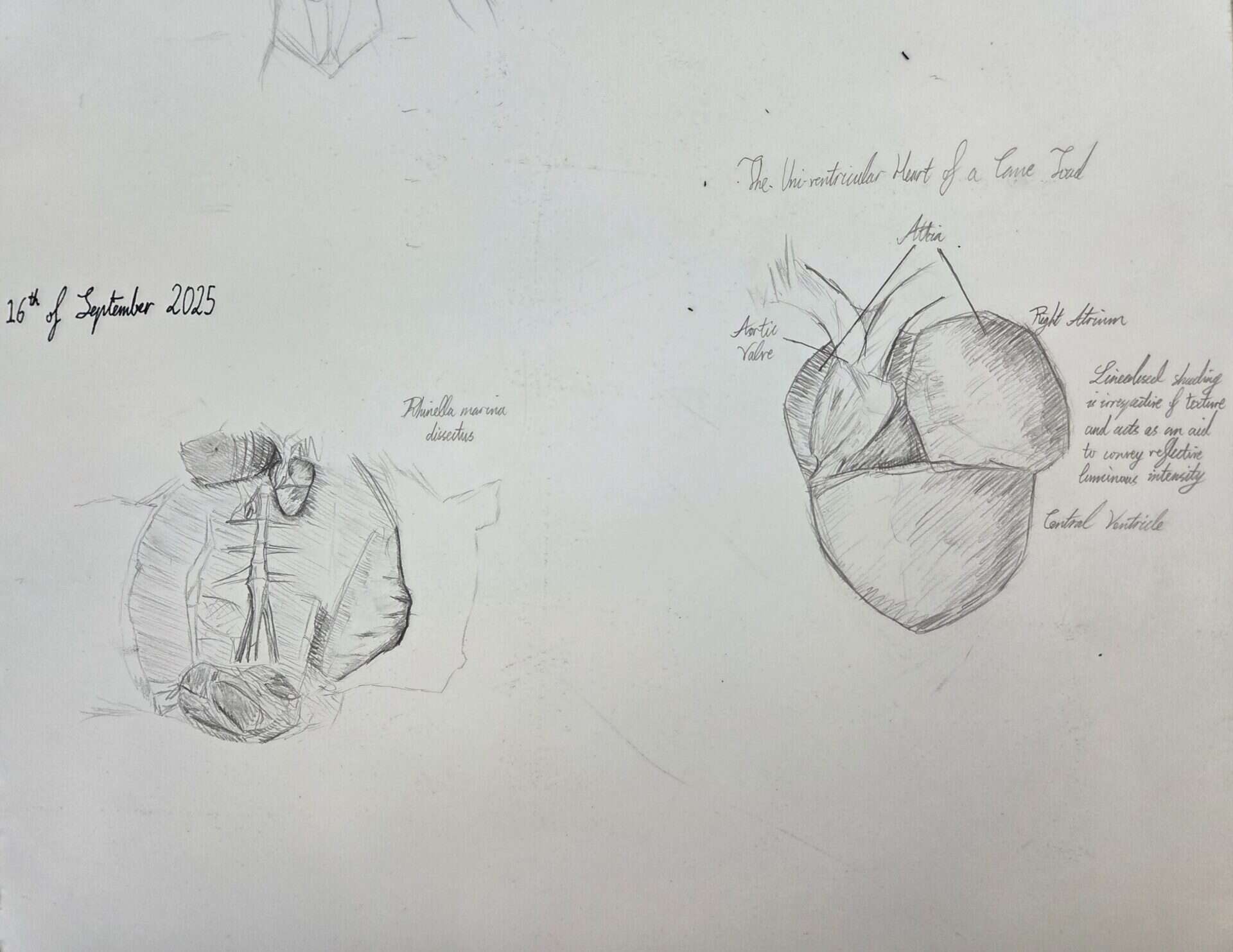
Recent projects in our Art classrooms have highlighted this synergy, showing how students can engage with both scientific inquiry and artistic exploration. One striking example comes from the Year 10 Art elective, The Art of Medicine. In collaboration with Biology teacher Dr Chris Holden, students undertook the dissection of a cane toad, examining its internal anatomy.
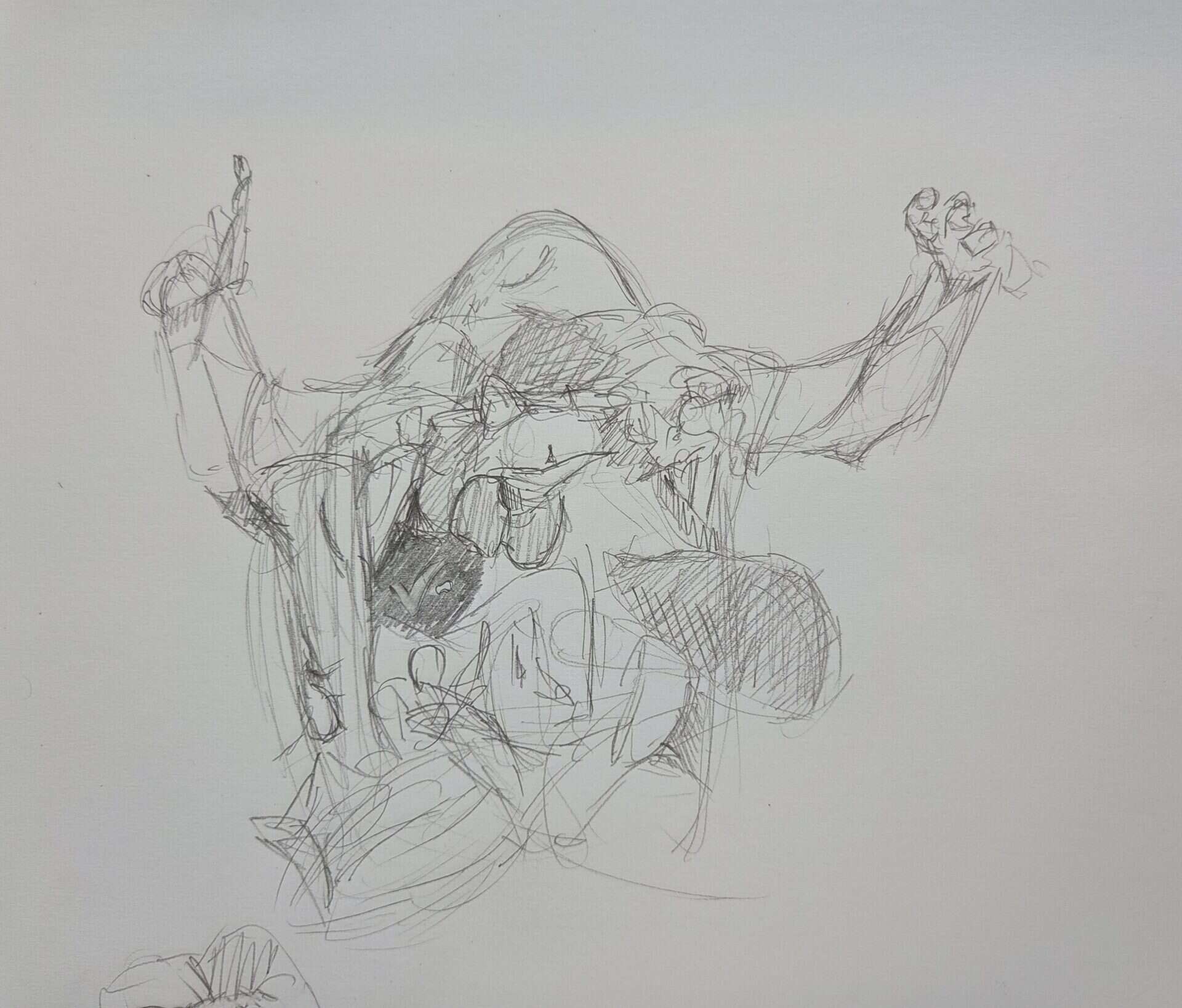
This exercise was not simply scientific investigation but a bridge to artistic practice. Students sketched various stages of the dissection, carefully recording details of organs, musculature and structure. These sketches demanded both accuracy and creative expression, transforming observation into art.
The resulting works resonate with the Renaissance tradition of figures such as Leonardo da Vinci and Andreas Vesalius, whose anatomical illustrations were both scientifically groundbreaking and visually compelling. Vesalius’ 16th-century engravings, still admired for their precision and artistry, served as educational resources in early medical schools and continue to inspire today. Through this project, students recognised that drawing can deepen scientific understanding, while science can provide subject matter that challenges and extends artistic technique.
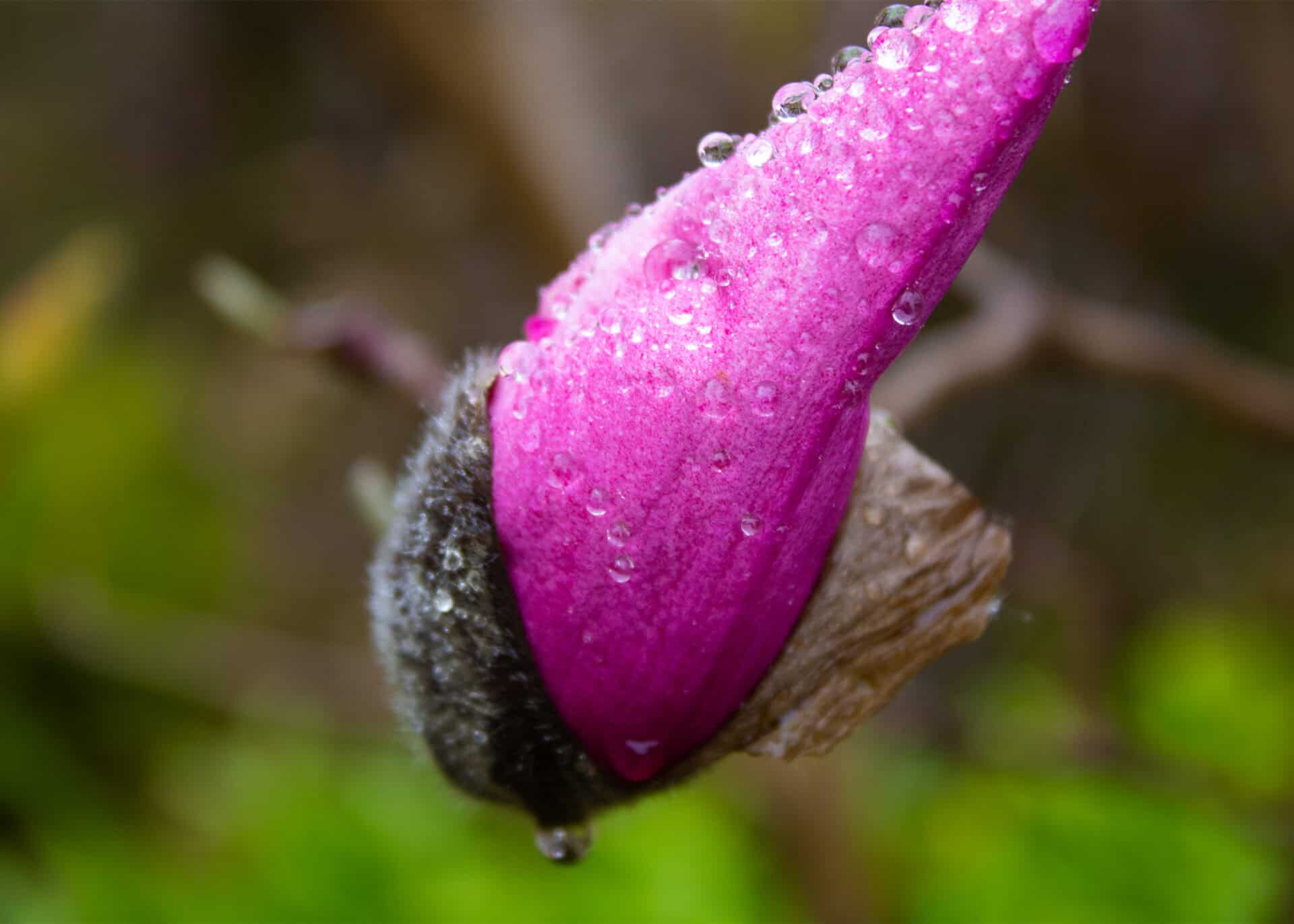
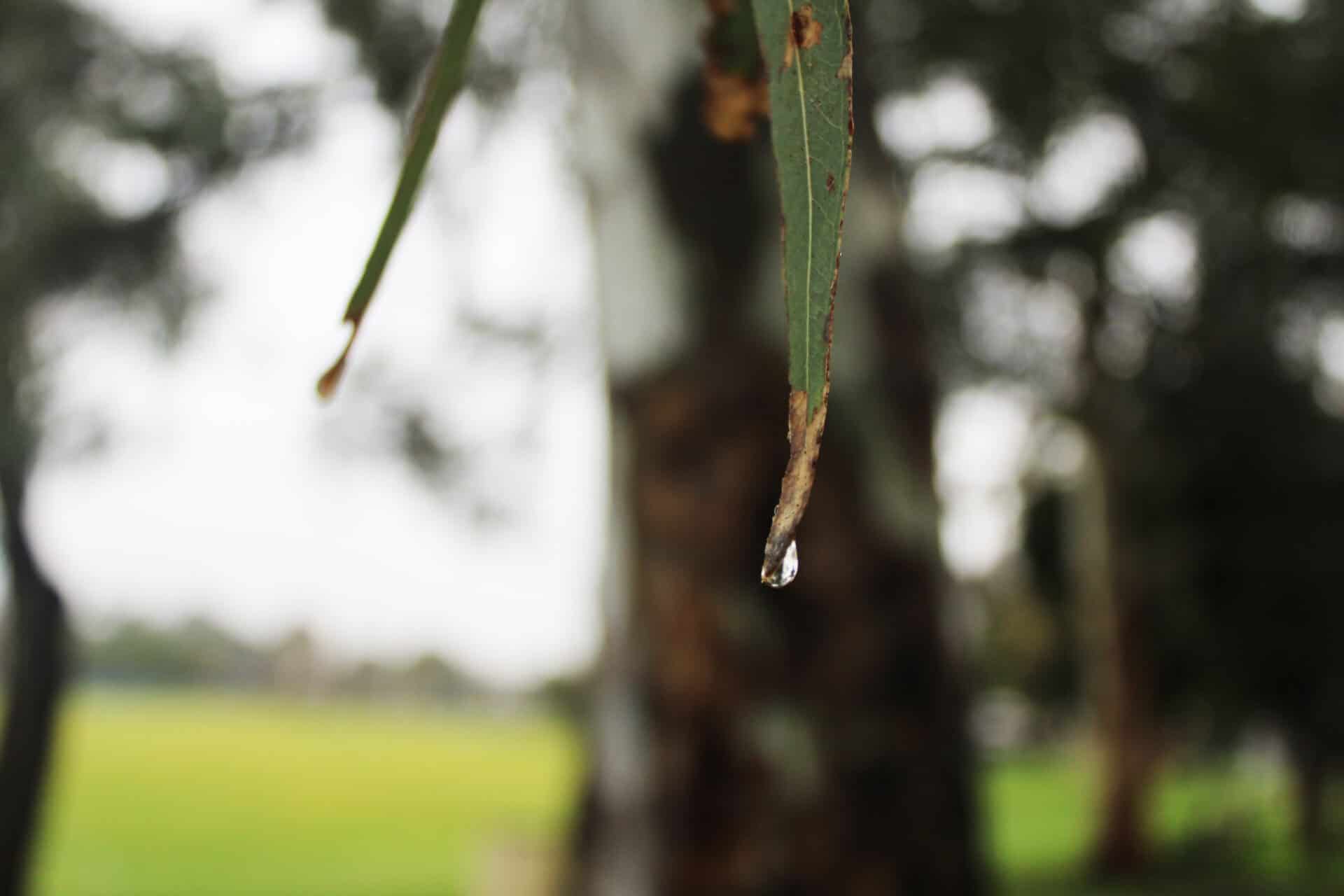
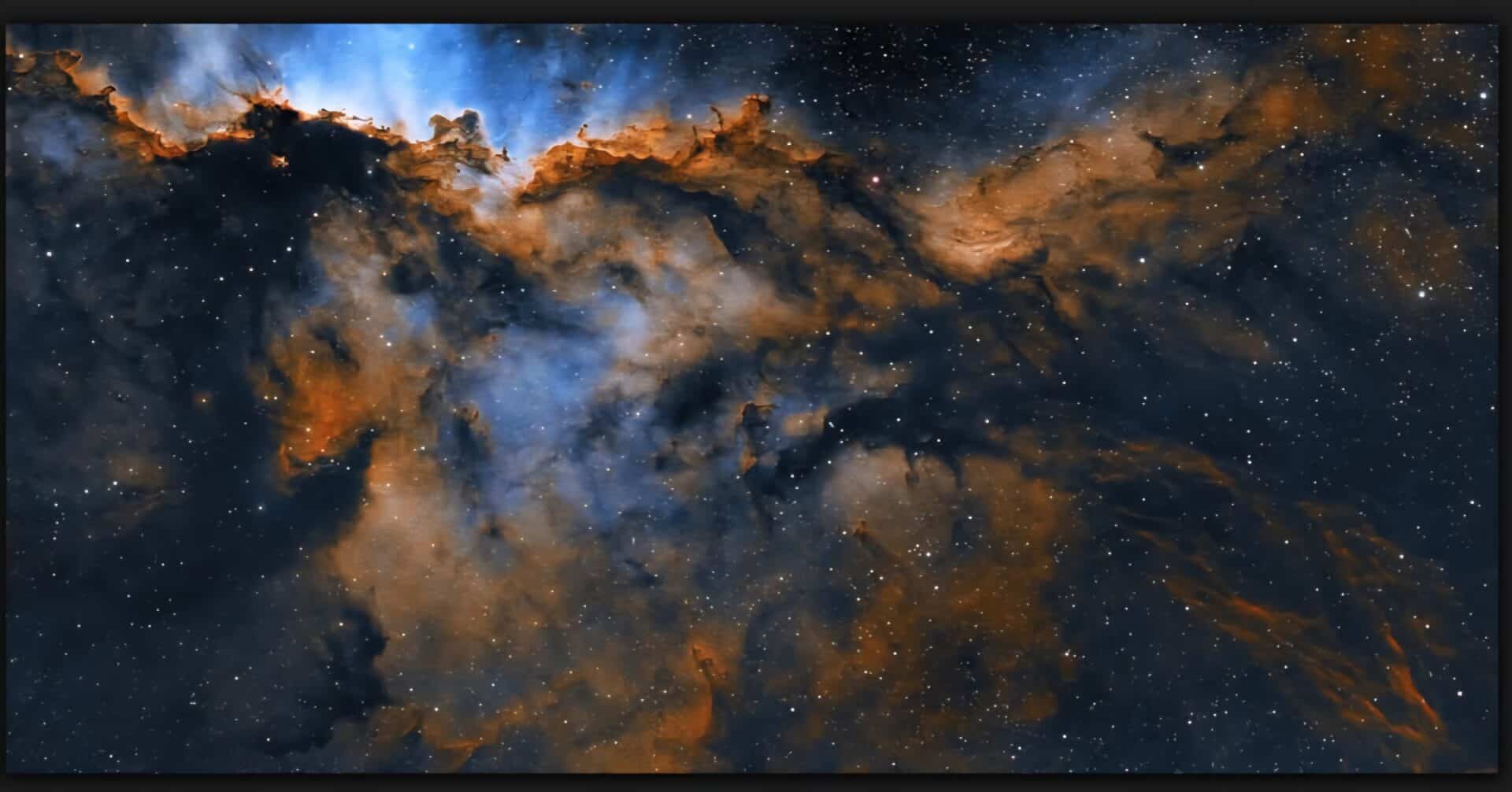
The interplay between Art and Science was also celebrated in Ms Skewes’ Year 10 Extension Photography elective, where students entered the Scientific Photography Competition hosted by the Adelaide Optics Chapter as part of Science Week. This competition encouraged students to capture images that revealed both the beauty and the complexity of scientific subjects, bridging technical skill with aesthetic vision.
The entries reflected a diversity of approaches—some highlighting fine details of natural phenomena, others exploring light, texture, or scale in unexpected ways. I am delighted to announce that several of our students were recognised for their outstanding work. Krishn Arora received Qutech’s Prize for Most Creative Photography, George Xenophou was awarded the Young General Excellence Award, and Joshua Howes earned the People’s Choice Award.
These accolades celebrate not only individual talent but also the capacity of our students to see science through an artistic lens. Together, these two initiatives remind us of the profound interconnectedness of Art and Science.
Whether through anatomical drawings inspired by Renaissance masters or photographs that reveal hidden layers of the natural world, our students are discovering that creativity and inquiry are not confined to one subject area but flourish at their intersections. By embracing this approach, we are preparing students to think critically, work collaboratively, and approach the world with both precision and imagination—skills that will serve them in any future pathway.
Ms Adele Turner
Head of Arts