28 August 2025
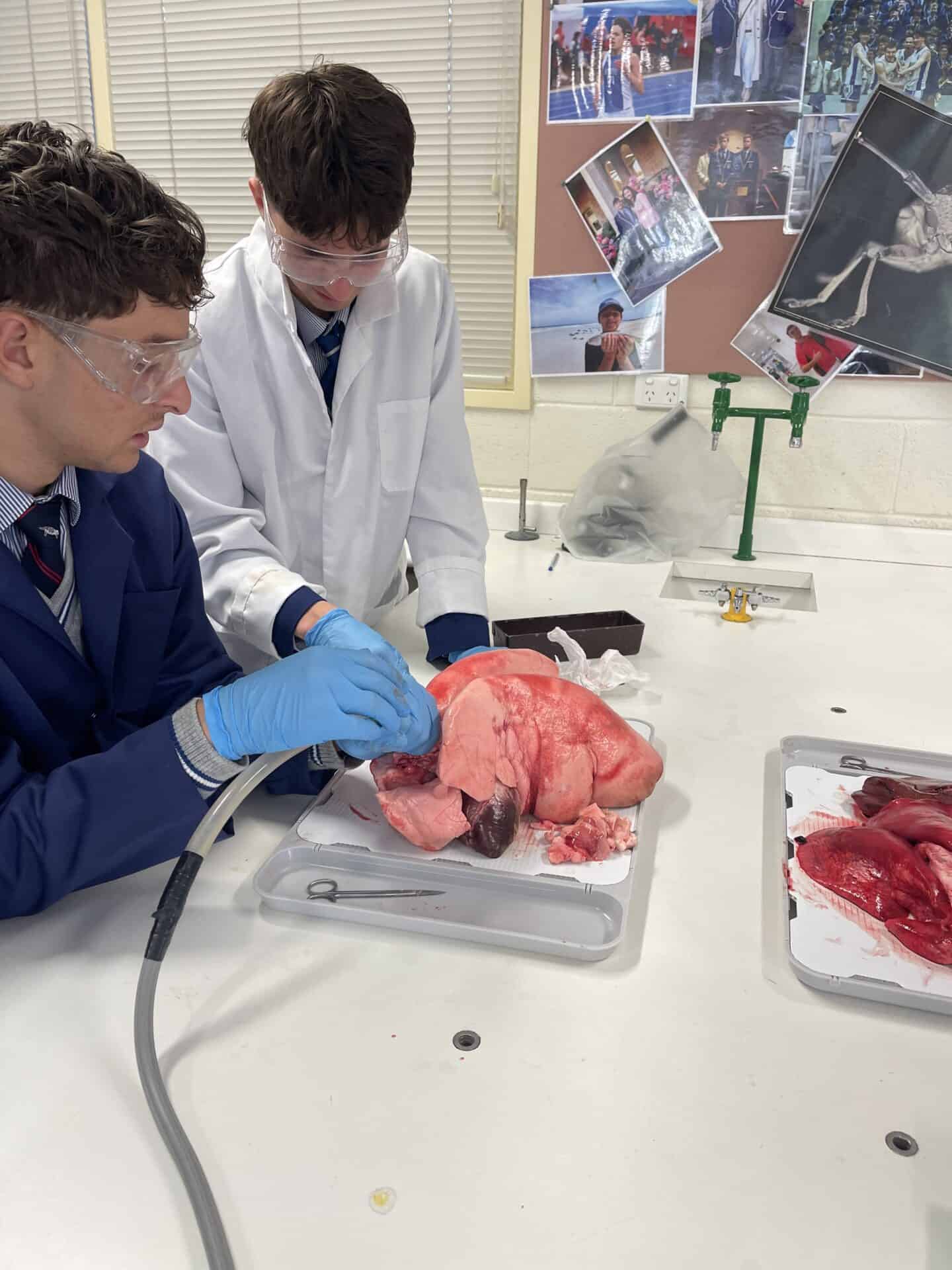
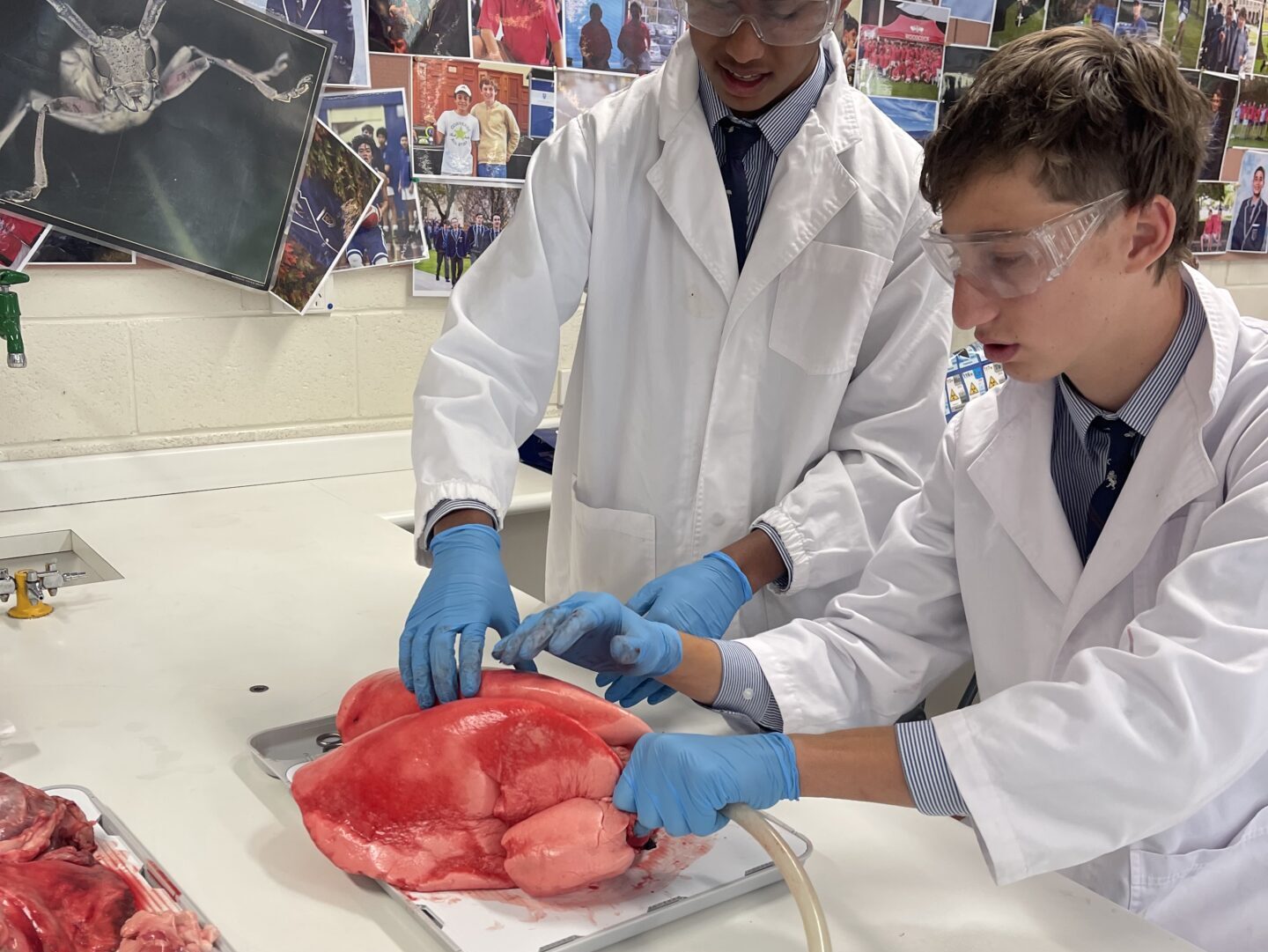
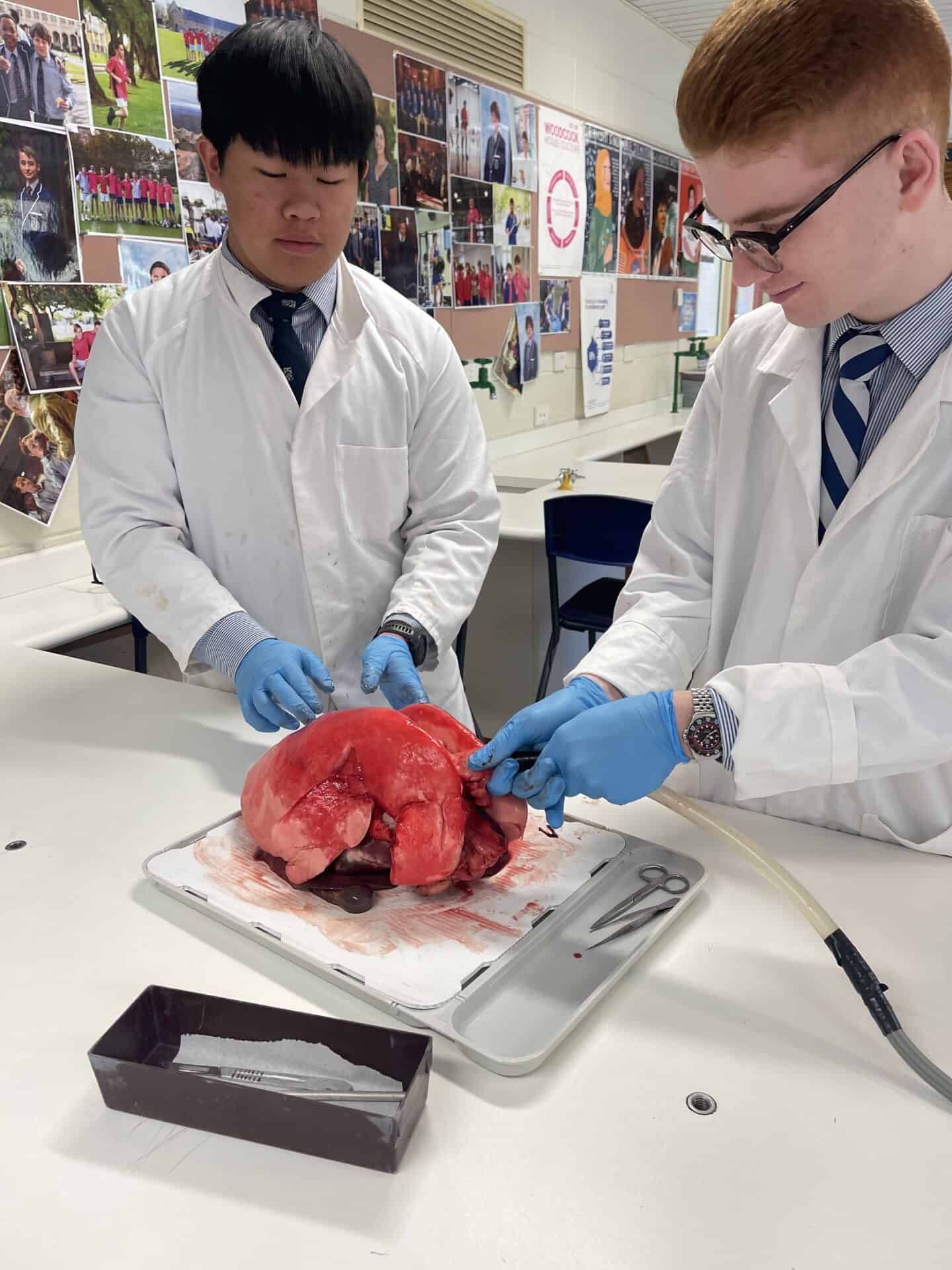
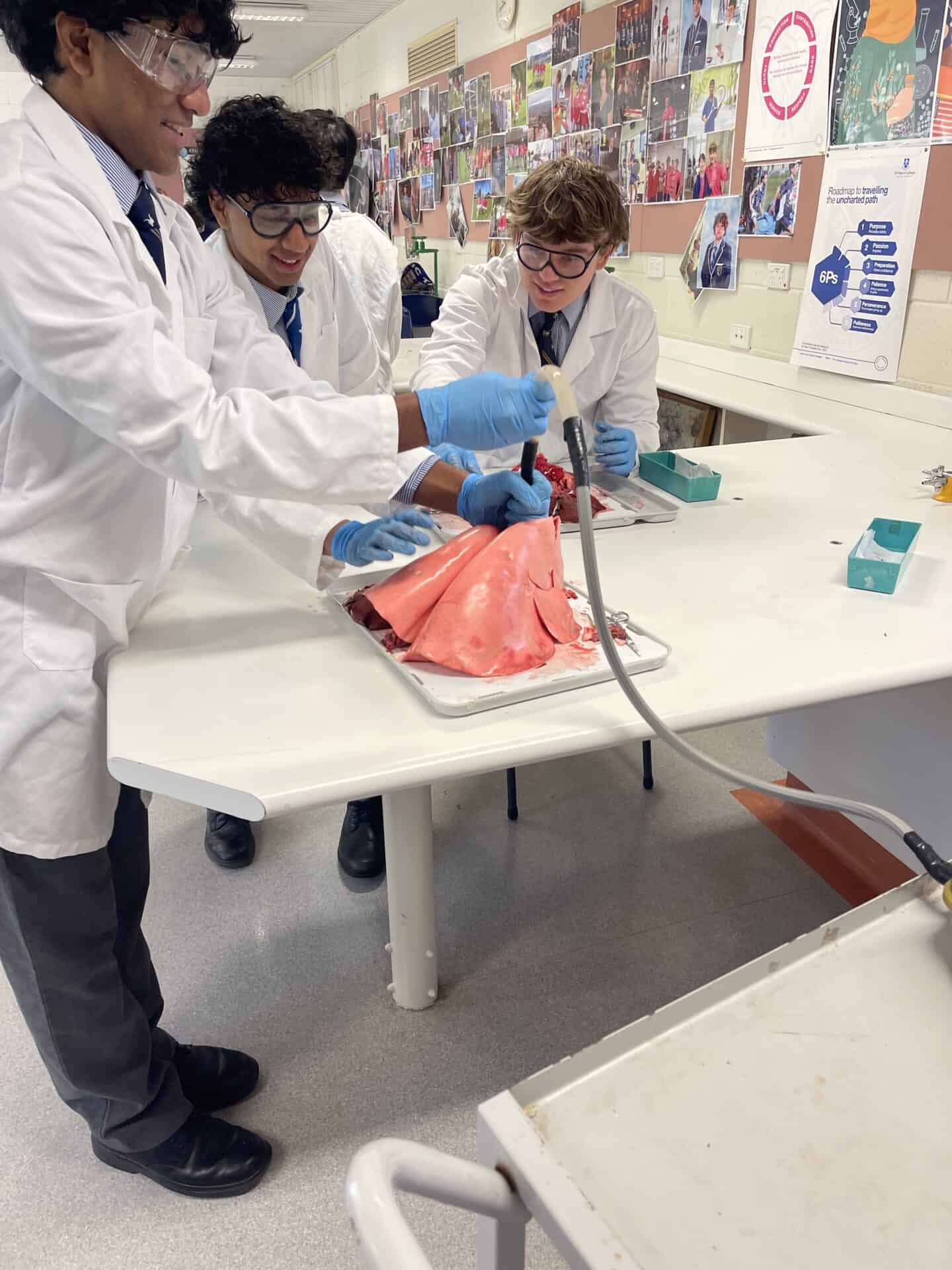
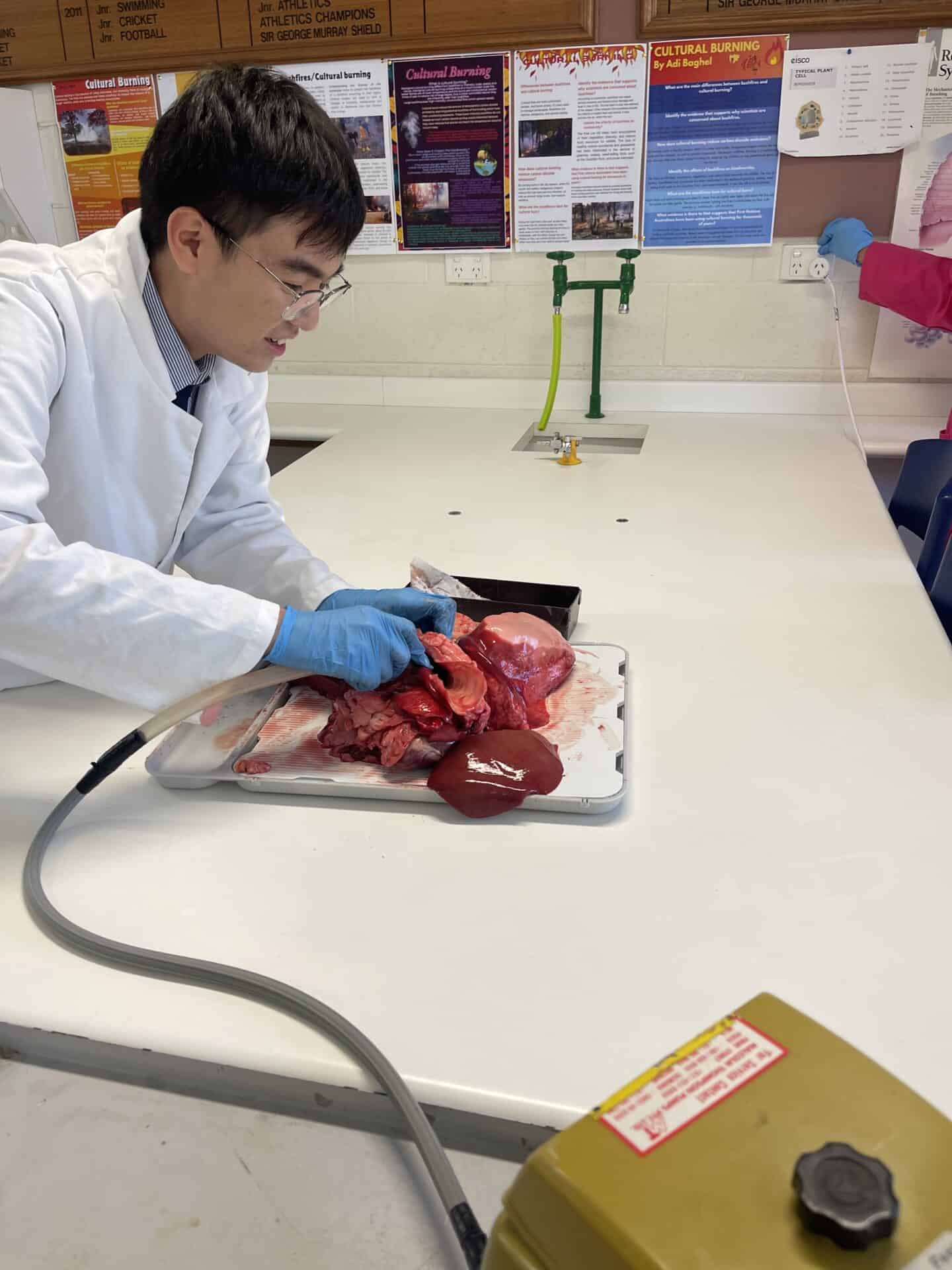
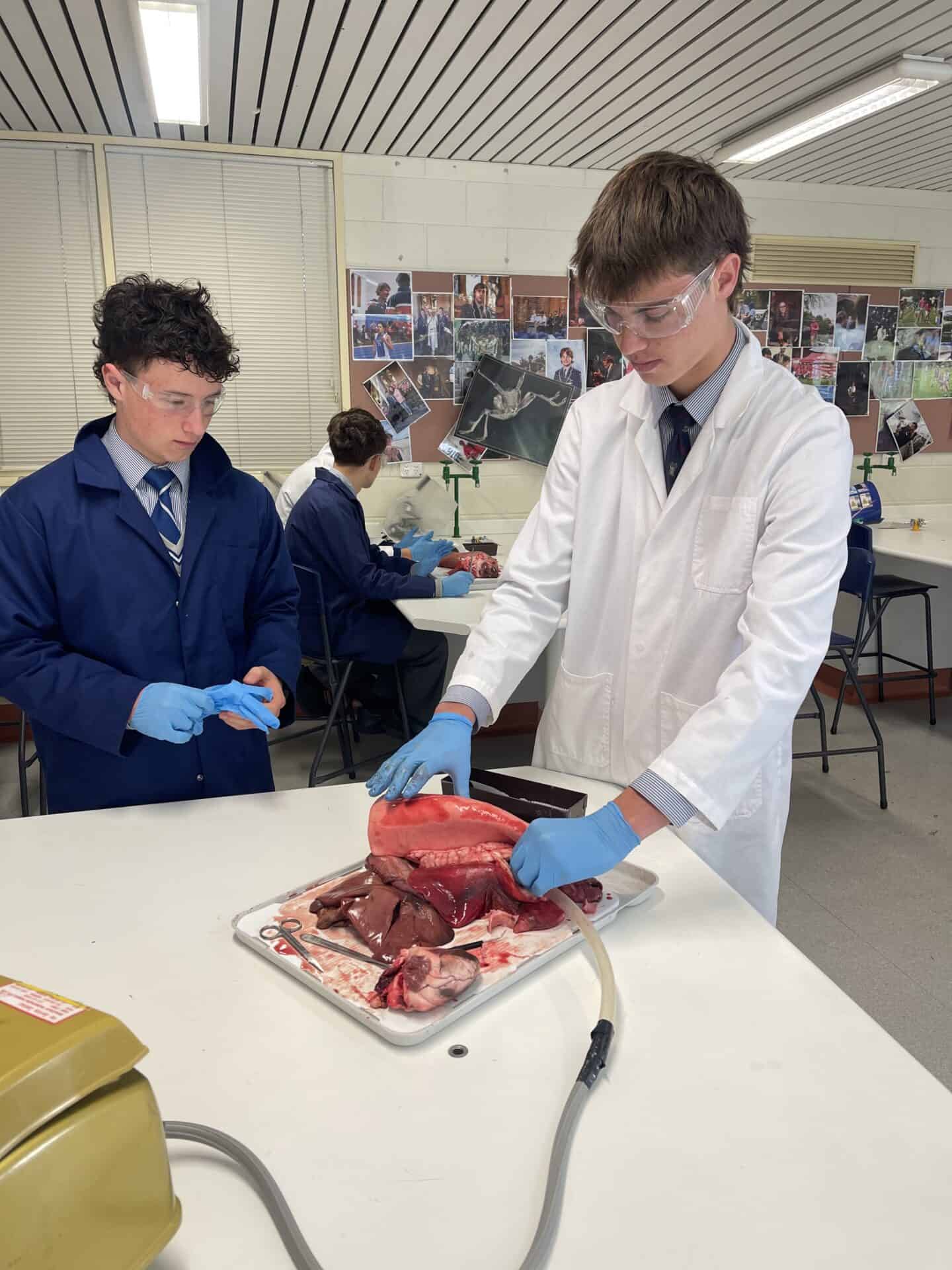
Stage 1 Biology students recently had the opportunity to take their learning beyond the classroom by engaging in a dissection of a sheep pluck. A sheep pluck, which includes the heart, lungs, liver and associated structures, provided students with a valuable chance to observe the internal anatomy of major organs and explore how body systems are connected in a real, hands-on context.
The highlight of the session was inflating the lungs. By gently blowing air through the trachea, students were able to see the lungs expand and contract, simulating the process of breathing. This demonstration vividly illustrated how air travels through the respiratory system, giving students a deeper understanding of gas exchange and the vital role of the alveoli. For many, watching the lungs inflate transformed abstract textbook diagrams into a tangible, memorable experience.
Students also explored the structure of the heart. With careful examination, they identified the four chambers, valves and the thick muscular walls of the ventricles, which pump blood around the body. Dissecting the heart allowed students to trace the pathway of blood flow, linking the theoretical concepts of the circulatory system with real biological structures. This activity reinforced the importance of the heart as the central organ for maintaining life.
The liver, the body’s largest internal organ, was another key point of study. Students were surprised by its size and texture and discussed its many functions, from detoxifying harmful substances to producing bile for digestion. Being able to observe and handle the organ helped bring to life its significance in maintaining homeostasis.
The dissection activity was more than just a biology practical, it was an engaging way for students to develop important scientific skills. They worked collaboratively, practiced careful handling of biological material and reflected on the ethical considerations of using animal specimens in education. They also made direct links between theory and practice, reinforcing their knowledge through active participation.
By the end of the session, students had not only enhanced their understanding of body systems but also gained an appreciation for the complexity and interdependence of organs. Activities like these highlight the value of hands-on learning in Stage 1 Biology, giving students practical insights into anatomy and physiology.
Ms Nahla Baroudi
Teacher – Science Faculty