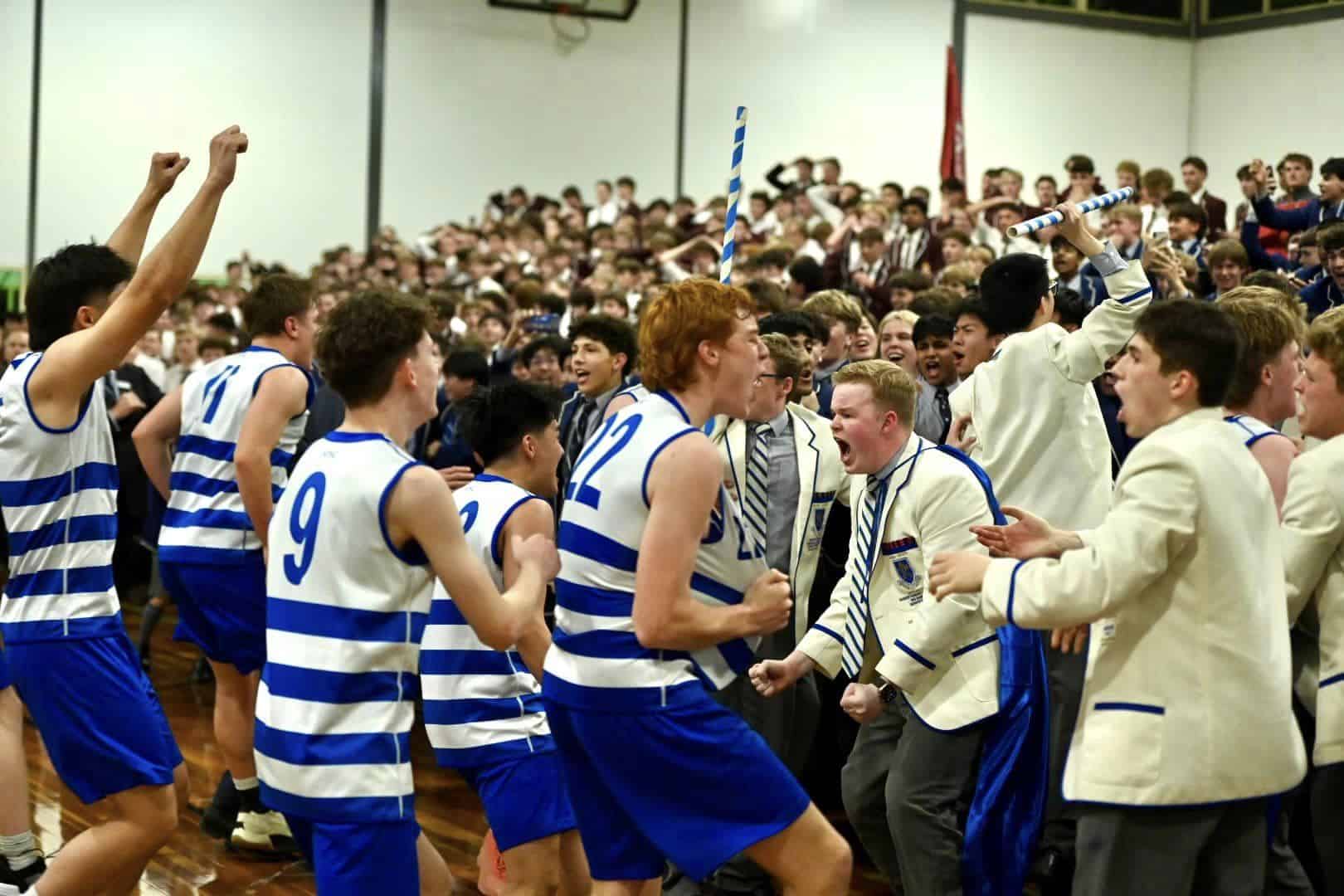
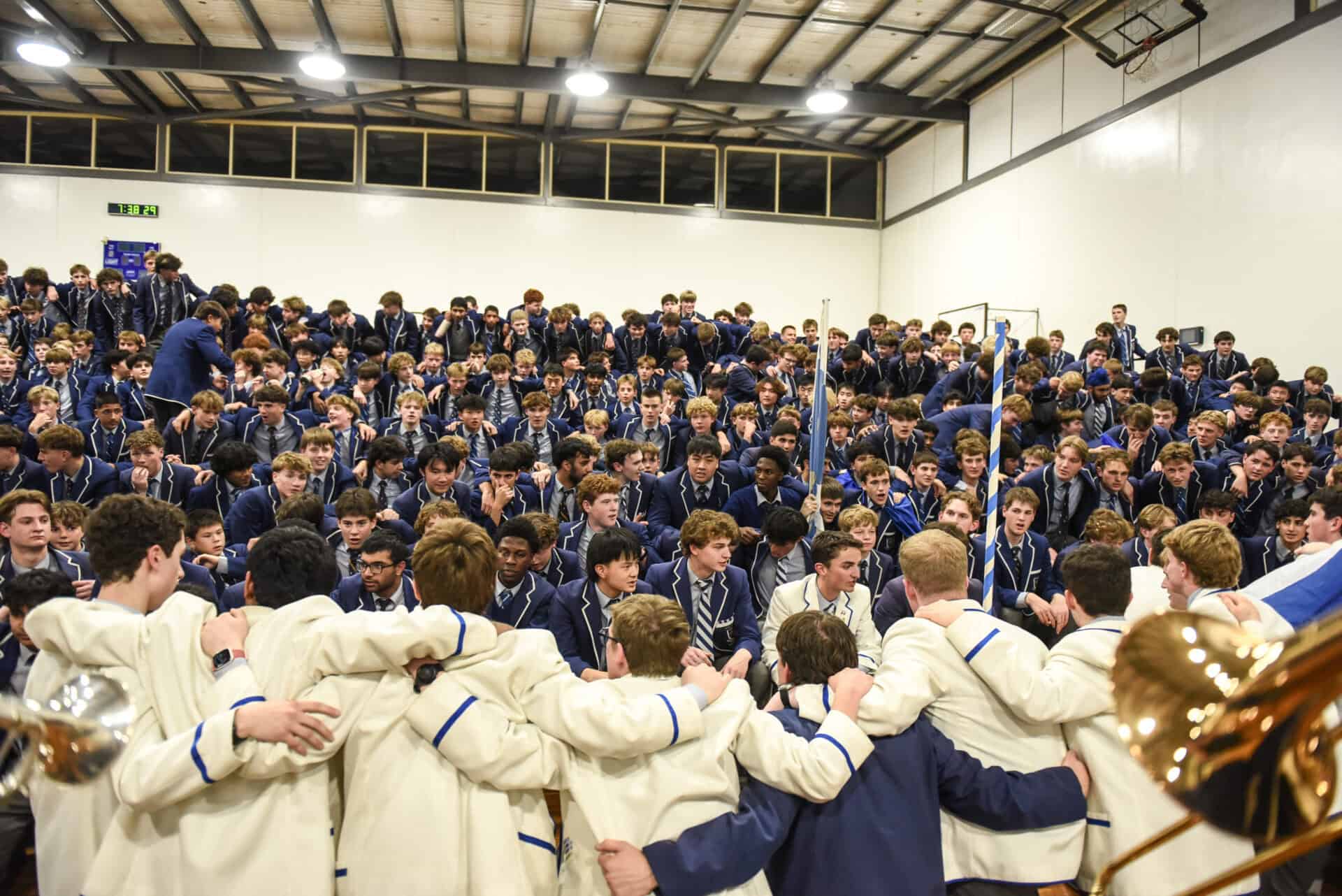
As Intercol approaches, I recently posed a question to the Senior School at Muster: when you picture yourself, do you identify more readily with the competitor or the fan? Do you imagine yourself in the arena, or sitting in the grandstand?
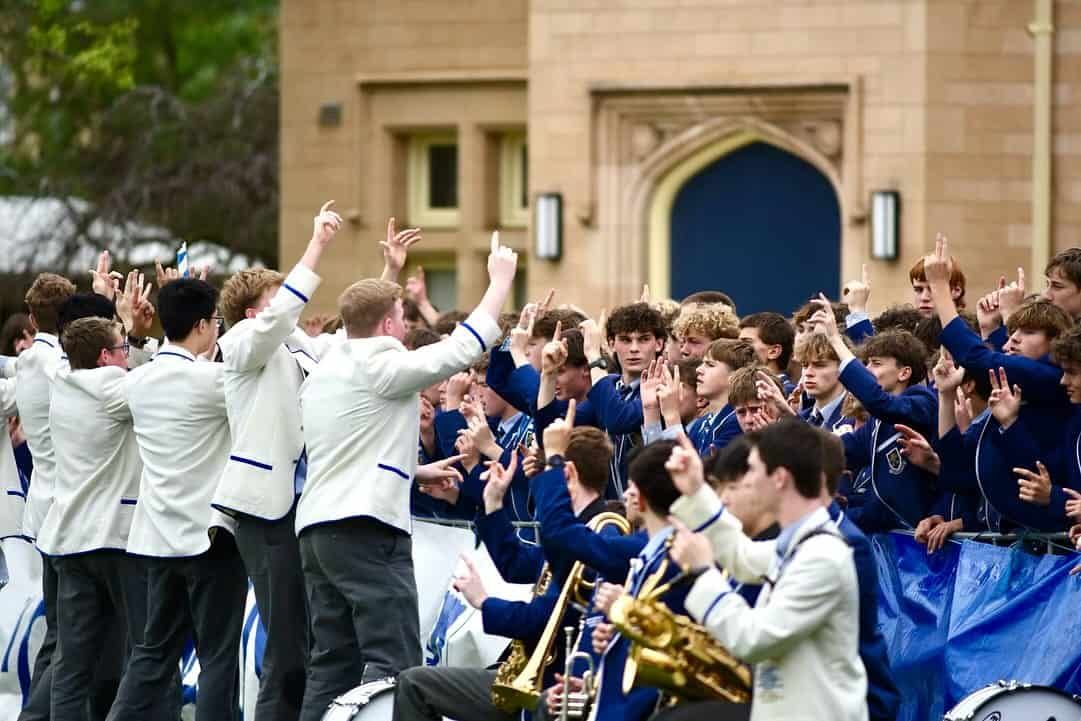
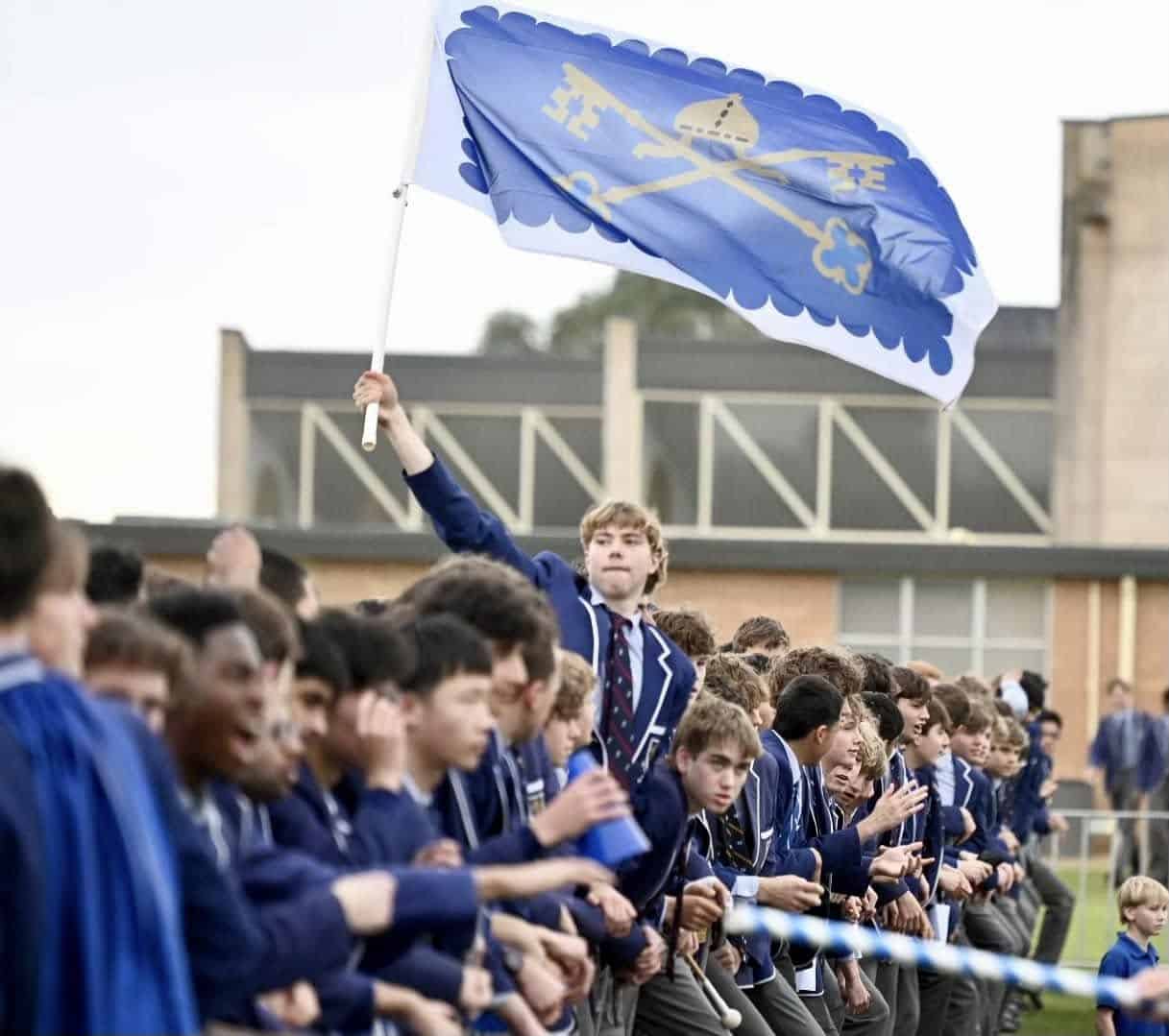
There is, of course, an important place for supporters. Over the week ahead our sidelines will be full of students, families and old scholars encouraging those representing the School. Done well, this support is a wonderful expression of community. But the distinction between competitor and spectator is also a useful metaphor for the kind of young men we hope our students will become.
Social media has made spectatorship particularly easy. Everybody can comment. Everybody can judge. Everybody can tell the player, the coach, the politician, the leader or the entrepreneur exactly what they should have done differently. But commentary and contribution are not the same thing. The world does not particularly need more spectators. It needs good people prepared to enter the arena.
Our aspiration is that our boys grow into effective competitors, whatever their arena. For some, that arena may be sport. For others it will eventually be business, medicine, research, education, the arts, public service, community organisations or family life. The particular arena matters less than the disposition with which they enter it. We want them to be people prepared to participate rather than simply observe; to take responsibility rather than merely offer commentary; to use their abilities in the service of others and to make good things happen around them.
Our motto, Pro Deo et Patria, For God and Country, speaks powerfully to this idea. It suggests that education carries obligations beyond personal achievement. The knowledge, character, skills and opportunities developed through schooling should ultimately equip a young person to contribute to something larger than himself.
Life needs fewer people simply pointing towards the arena and more good people prepared to enter it.
Intercol provides our students with a very immediate example. Across all our activities, they will soon step forward having spent considerable time preparing for their opportunity. We want them to compete enthusiastically and courageously, to test themselves, and to represent both their families and the School with distinction.
Just as importantly, we want to develop a healthy culture amongst those watching.
There is a meaningful difference between being a fan and being a supporter.
Fans can make the occasion about themselves. A genuine supporter makes it about those they have come to encourage.
For our students on the sidelines, the expectation is therefore straightforward: support your peers positively, respect the opposition, add to the occasion and understand that encouragement itself can be an act of service. The best supporters communicate something simple to those competing you are in the arena, and we are with you.
The deeper lesson extends well beyond Intercol.
There will be many arenas our boys encounter during their lives. Some will involve genuine risk. They will occasionally fail. They will face criticism and discover that responsibility is significantly harder than commentary. Our task is not to protect them permanently from those experiences, but gradually to equip them for them.
Theodore Roosevelt captured this enduring idea in his famous description of “the man in the arena” the person who strives, who sometimes comes up short, but who accepts the risk inherent in attempting something worthwhile.
It is a compelling aspiration for young people. Not merely to watch. Not merely to comment. But to discover the arenas in which their character, talents and service are required, and to have the courage to enter them.
Barnaby Eaton
Deputy Headmaster