24 September 2026
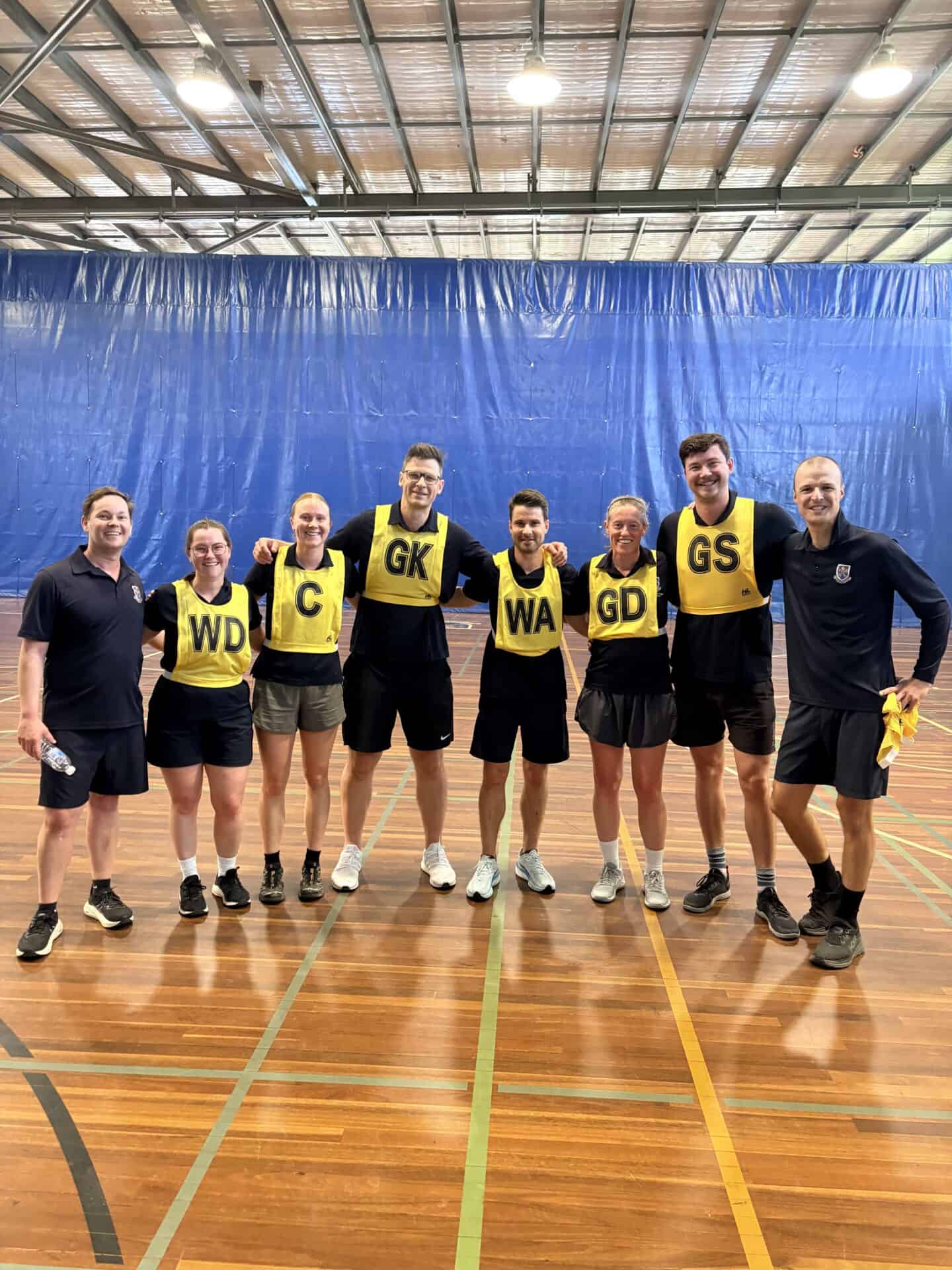
Blue Week, celebrating Men’s Mental Health, has once again been one of the most important weeks on the SPSC calendar. While there has been plenty to enjoy, from Mentor muffins and Blue doughnuts to Staff vs Prefect Netball and Friday’s BBQ, the significance of the week extends far beyond the activities themselves.
At its heart, Blue Week is about mateship. More specifically, it challenges us to consider what being a good mate actually looks like. As young men, it is easy for conversations to remain on the surface. We can spend every day alongside our mates, in classrooms, at training or over lunch, laughing and talking, yet still not really know how someone is going underneath it all.
That is why Blue Week matters.
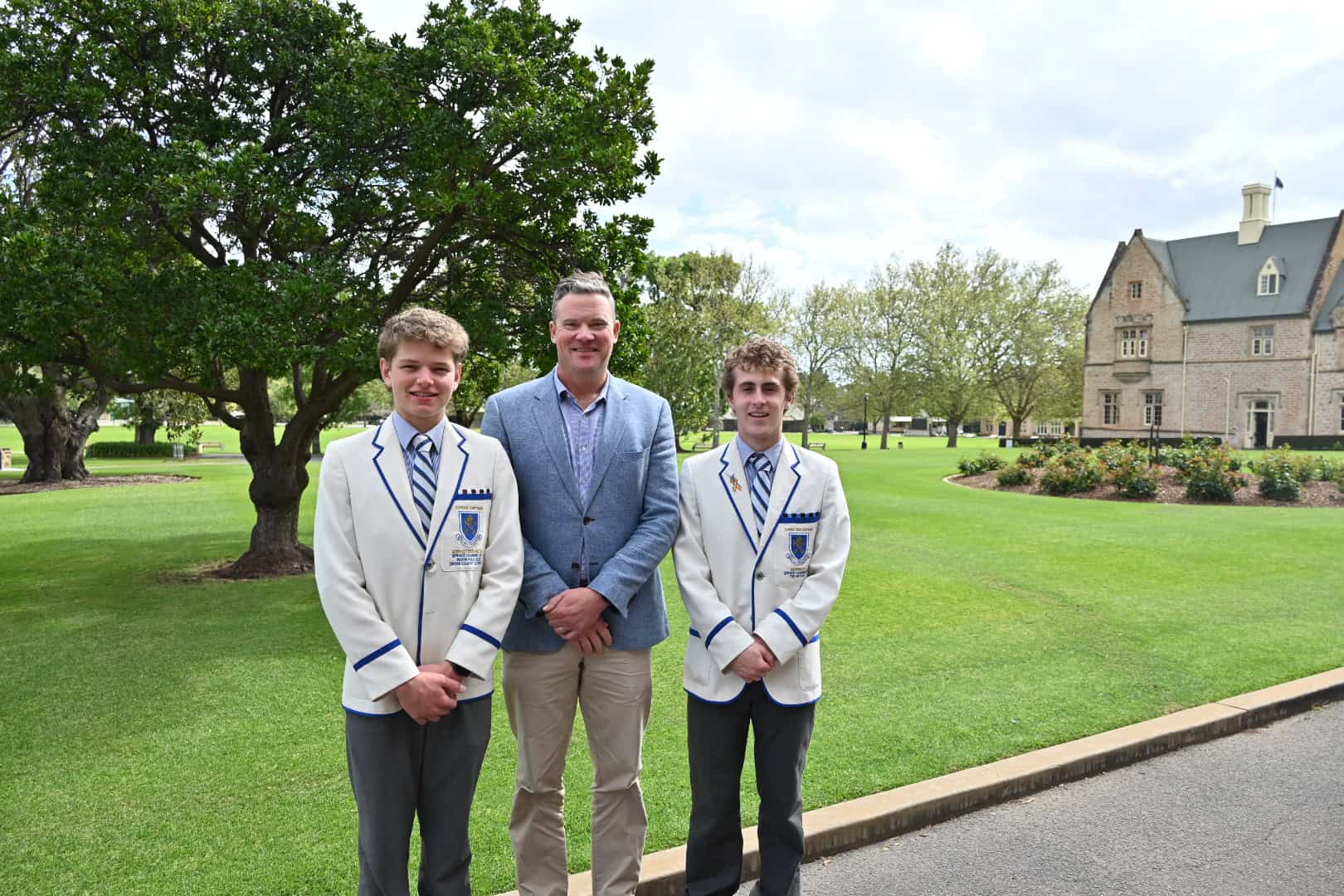
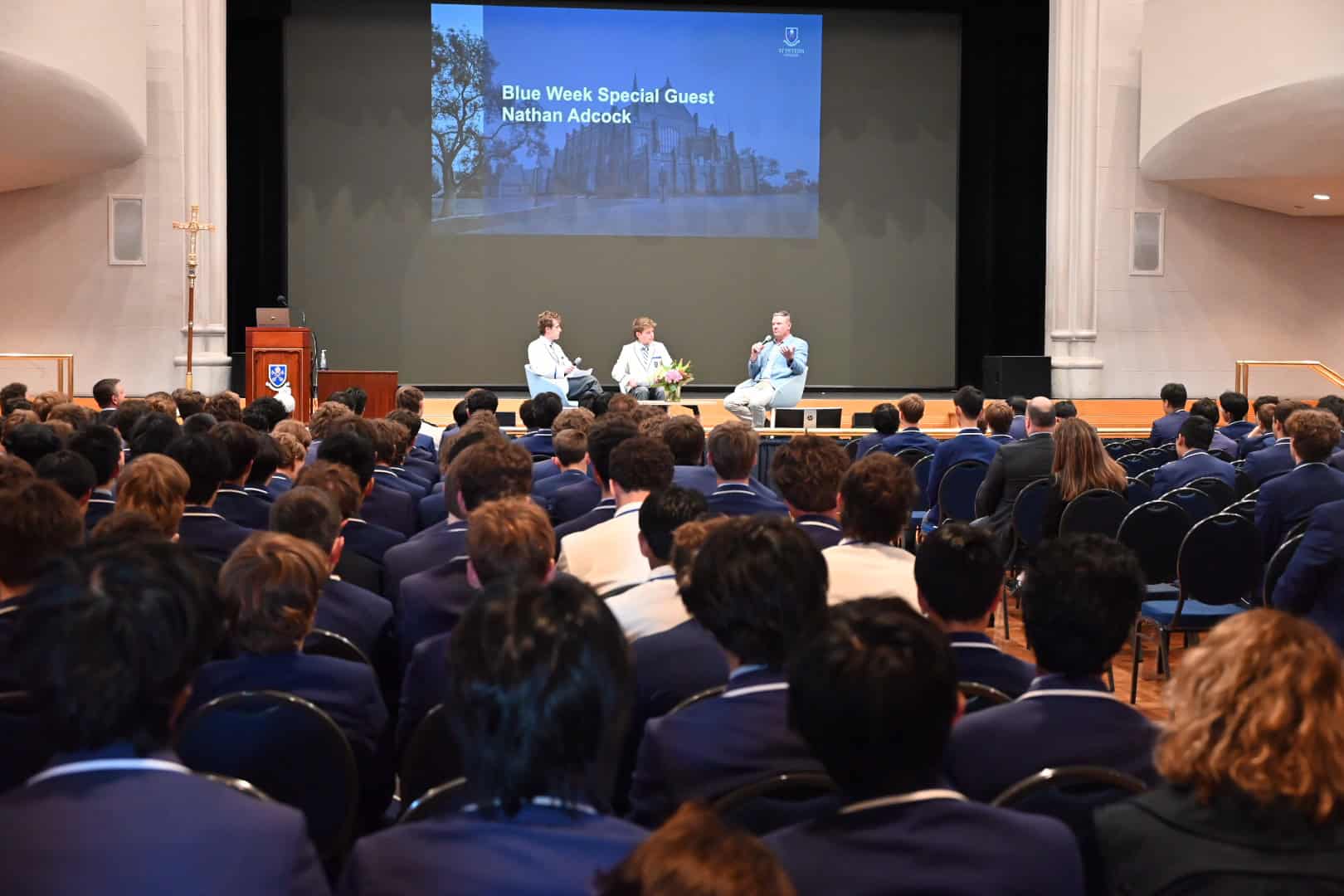
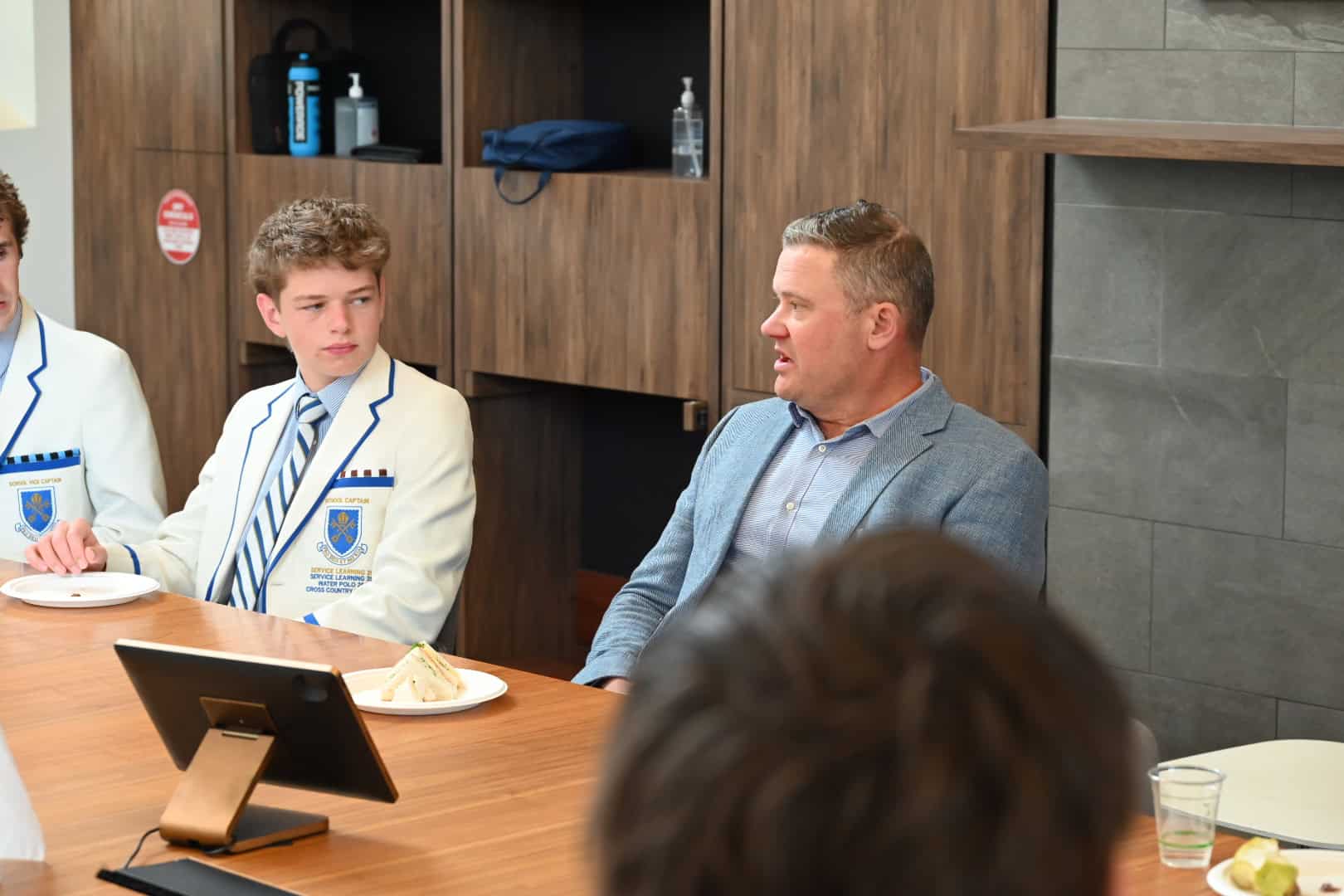
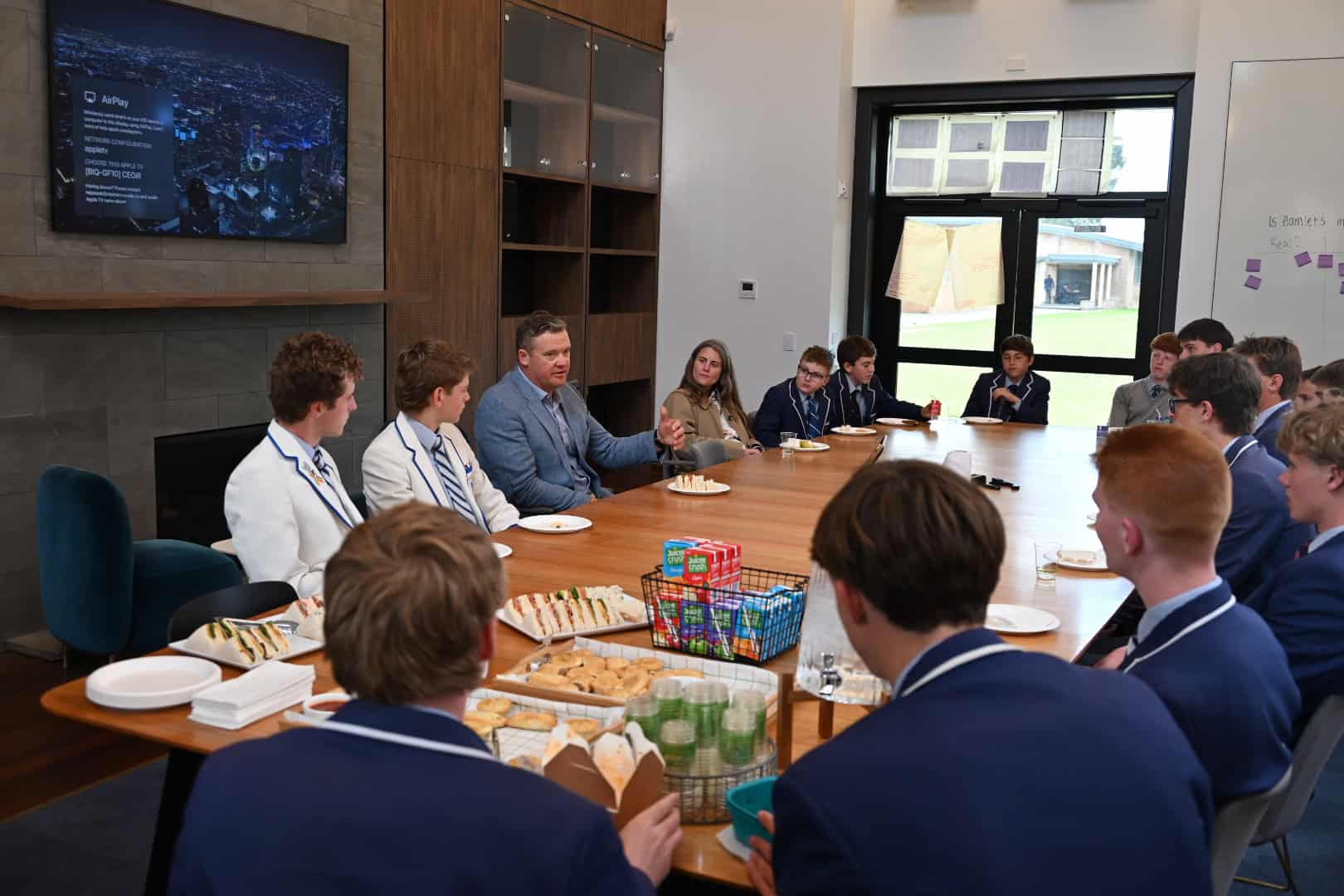
Nathan Adcock’s visit on Monday provided an incredibly powerful way to begin that conversation. Nathan, a former School Captain, South Australian cricketer and former Redbacks captain, spoke openly about his own experiences and left us with several messages that deserve to last much longer than a single Muster.
One of these was his idea of the “black gorilla”: recognising when something simply does not seem right. A mate might seem quieter, withdraw a little more, stop enjoying something they usually love, or simply appear different from the person we know. Nathan’s message was not that we need to diagnose what is happening, but that we should trust ourselves enough to notice it.
Do not ignore the black gorilla in the room. That connected to perhaps one of the most confronting messages of the morning: “People don’t pretend to be sick; they pretend to be well.” Mental health challenges are not always visible. Someone can be succeeding at school, playing sport, or appearing completely fine while privately carrying something far more difficult.
Nathan’s own experience also reinforced the importance of speaking up. Opening up can feel daunting because we can convince ourselves that people will judge us, treat us differently or not understand. Instead, Nathan spoke about the positive response he received when he eventually allowed others in. For anyone struggling, that is an important reminder that asking for help is not weakness. It is giving the people who care about you the opportunity to stand beside you. For everyone else, it raises an equally important question: are we creating the kind of friendships in which our mates would feel comfortable coming to us?
Nathan also spoke strongly about hope, recovery and persistence. Things can get better, even when it may be difficult to see that in the moment. Finding the right support can also take time. The first conversation, professional or approach may not be the one that works, but that does not mean help does not work. Keep talking. Keep asking. Keep searching for the support that works for you.
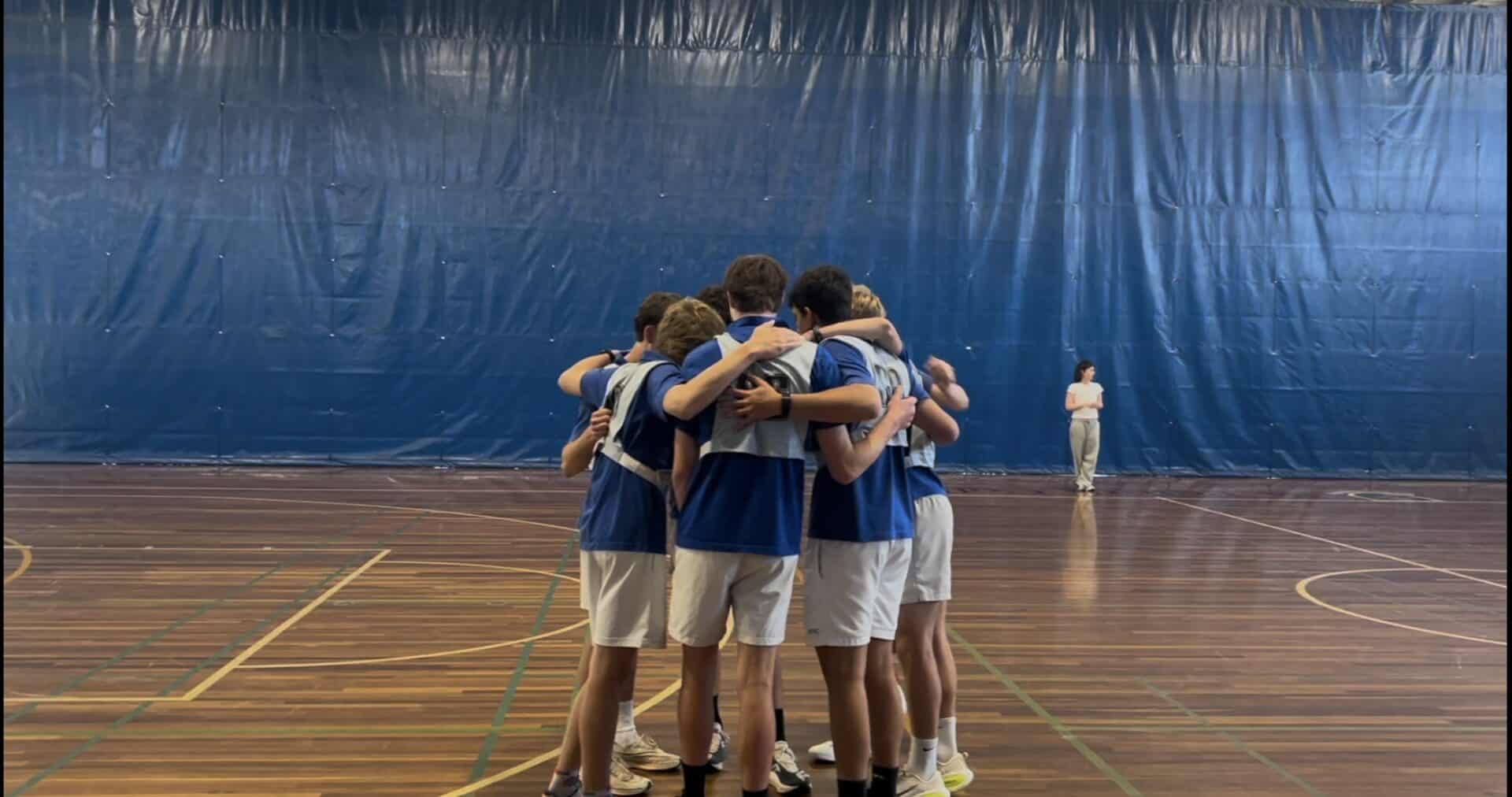
These messages have sat behind everything we have done throughout Blue Week. Mentor muffins have provided opportunities to sit together and talk. Staff vs Prefect Netball brought boys together for plenty of healthy competition and laughs. Friday’s BBQ and live music will finish the week in the same spirit, creating connection and bringing our community together.
But ultimately, the success of Blue Week cannot be measured by how many doughnuts we sold, how competitive the netball became or how many muffins were eaten. Its success will be measured by what happens when Blue Week is over.
When someone notices that a mate is not quite himself and chooses not to ignore it.
When someone asks, “How are you going?” and takes the time to ask again.
When a boy who has been pretending everything is fine finally feels comfortable saying that it is not.
And when one of our mates trusts us enough to open up, whether we stop, listen and stand beside him.
We often associate strength with handling things ourselves. Blue Week offers us a different definition. There is strength in being honest. There is strength in asking for support. There is strength in noticing when somebody else needs you. And there is strength in being the mate who stays.
Blue Week may only occupy five days on our calendar.
What matters is the culture we choose to create during the rest of the year.
Archie Braithwaite
School Captain