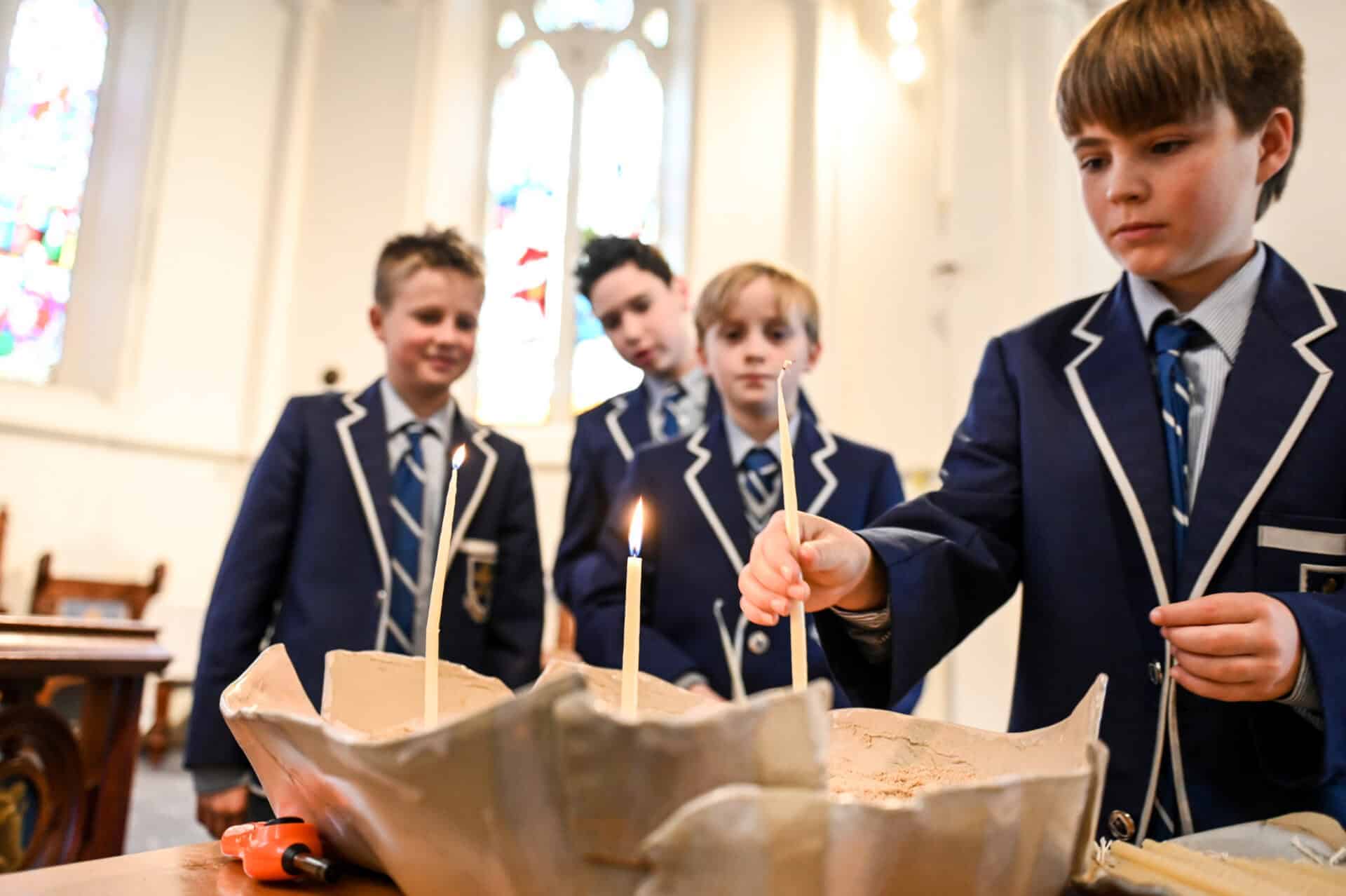
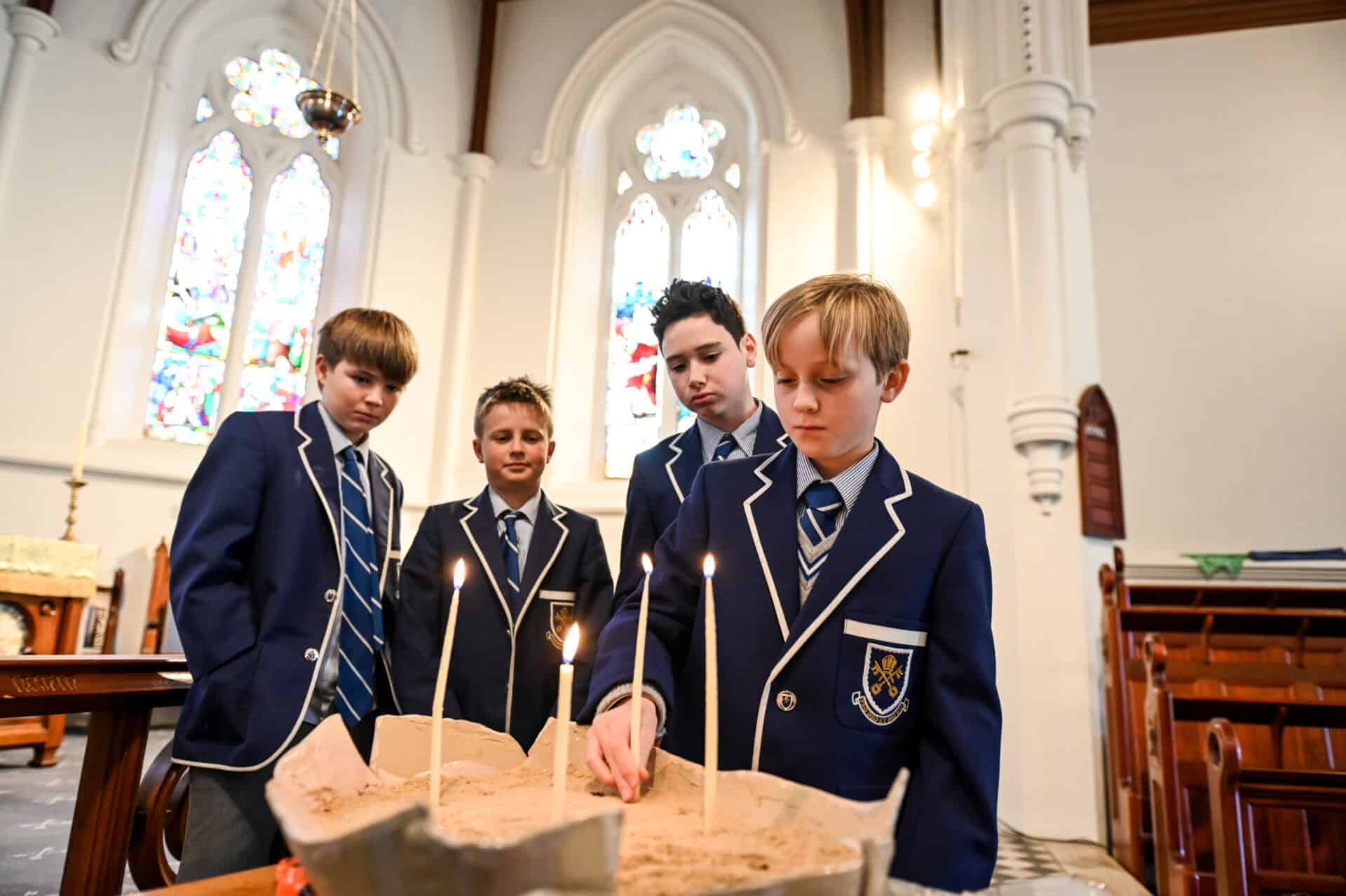
The Coming of the Light
There is a deep-seated joy that comes from responding to what Christianity calls the light. There is a deep-seated joy that comes from responding to love.
I have the good fortune of being a cradle Anglican. Going to Church was part of my DNA as a child and I found the tradition very meaningful; it brought life to me. The more I prayed, the more I meditated, the easier it became. The neural pathways in that part of my brain were strengthened. Whereas some of my contemporaries drifted away from the tradition, for me personally the light called me into a deeper relationship.
It is important to articulate what this means. I think there is an outside perception that being in a relationship with the light, with Christ, somehow makes you perfect, or makes you think that you are perfect, but actually that is not the case. In fact, what happens is that a deeper relationship with the light means that joy becomes part of who you are; forgiveness becomes part of who you are (that one especially needs practice); love becomes part of who you are. The more we practise these things, the easier they become. The neural pathways in our brains are quite literally strengthened, as we practise joy, forgiveness and love.
In St John’s Gospel there is no nativity story. John replaces the nativity traditions of Matthew and Luke with his Prologue of the Light coming into the world (John 1: 1–18). Christ is the one who brings the light to people living in darkness.
The world needs the light desperately. Embracing the light means engaging in rigorous academic debate, something we do really well at SPSC. Embracing the light means being absolutely inclusive. Being inclusive is not an optional extra for Christians – it is central to the Gospel. We welcome everyone.
For me, the light has always been there. The birth of the Christ-child into a poor family on the fringes of a vast and often ruthless Empire is a symbol of light. The birth of the Christ-child is an invitation to enter more deeply into the light, to allow the light to change our neural pathways, to change the way we think, the way we respond to others, the way we love and forgive. As we do this, the older we become, the more that light will shine out in everything we say and do.
The Reverend Dr Theo McCall
School Chaplain