Long before university preferences are locked in, before application forms and ATAR scores, our students begin to think gently and gradually about the paths that might lie ahead.
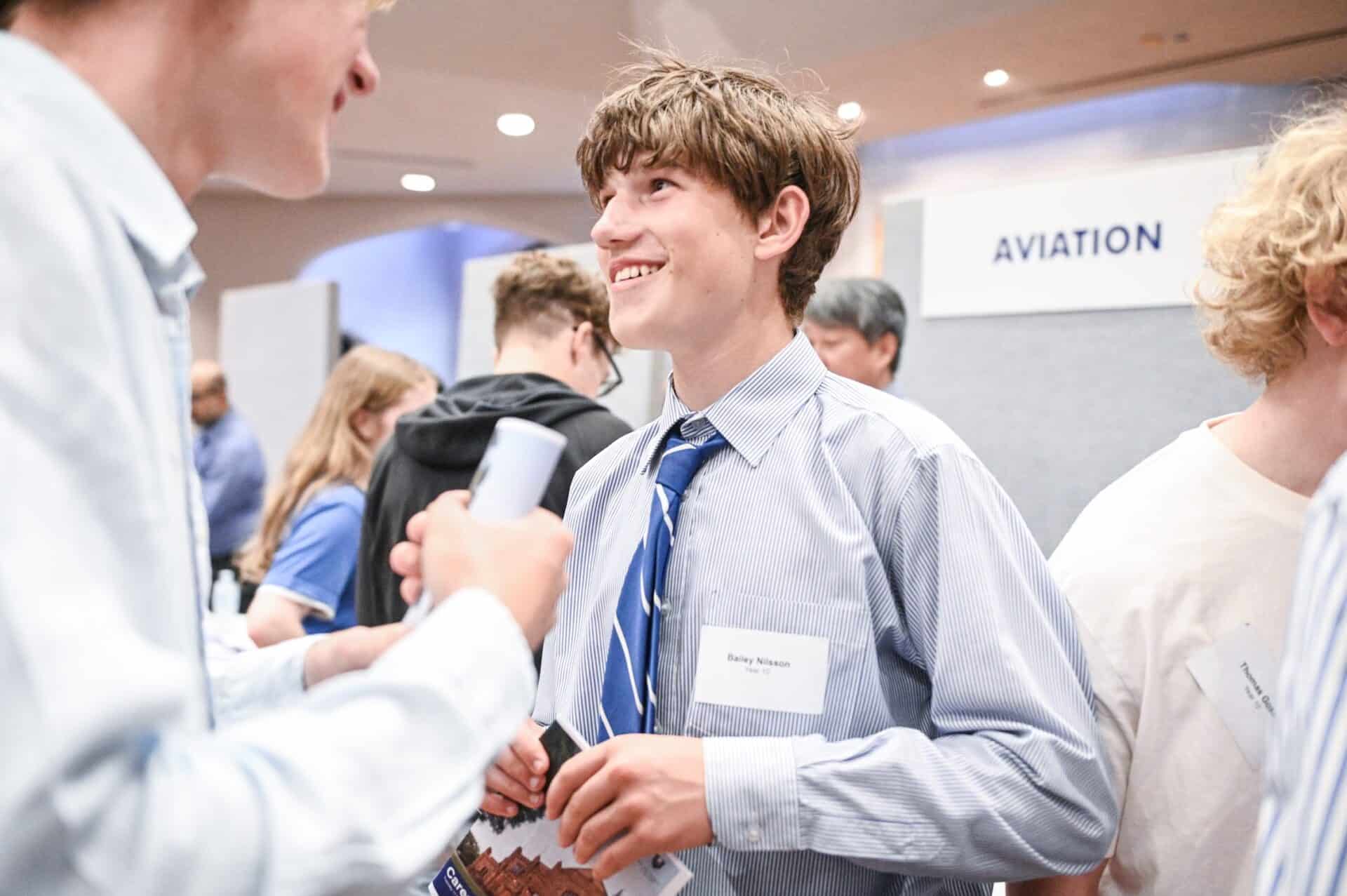
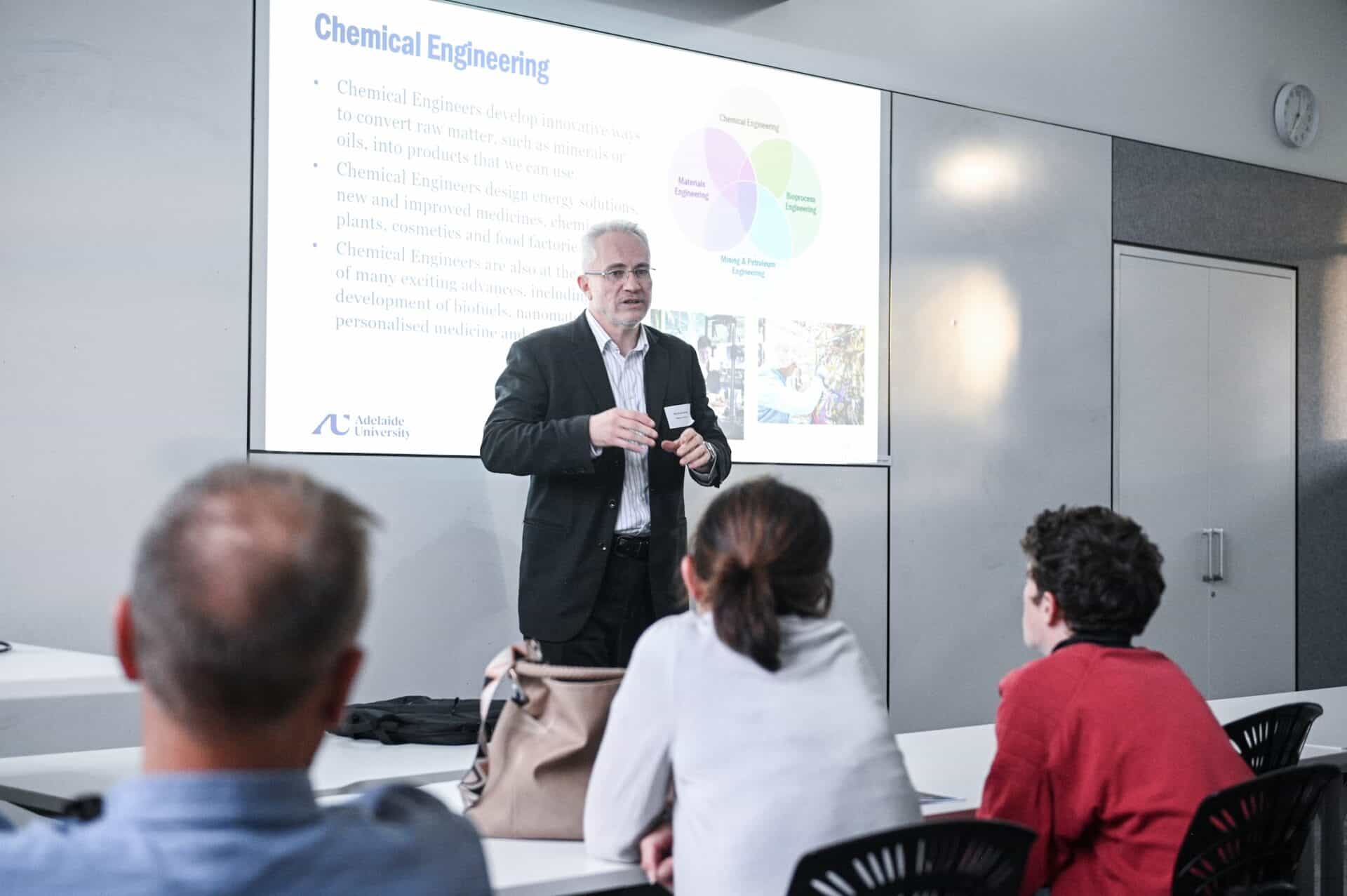
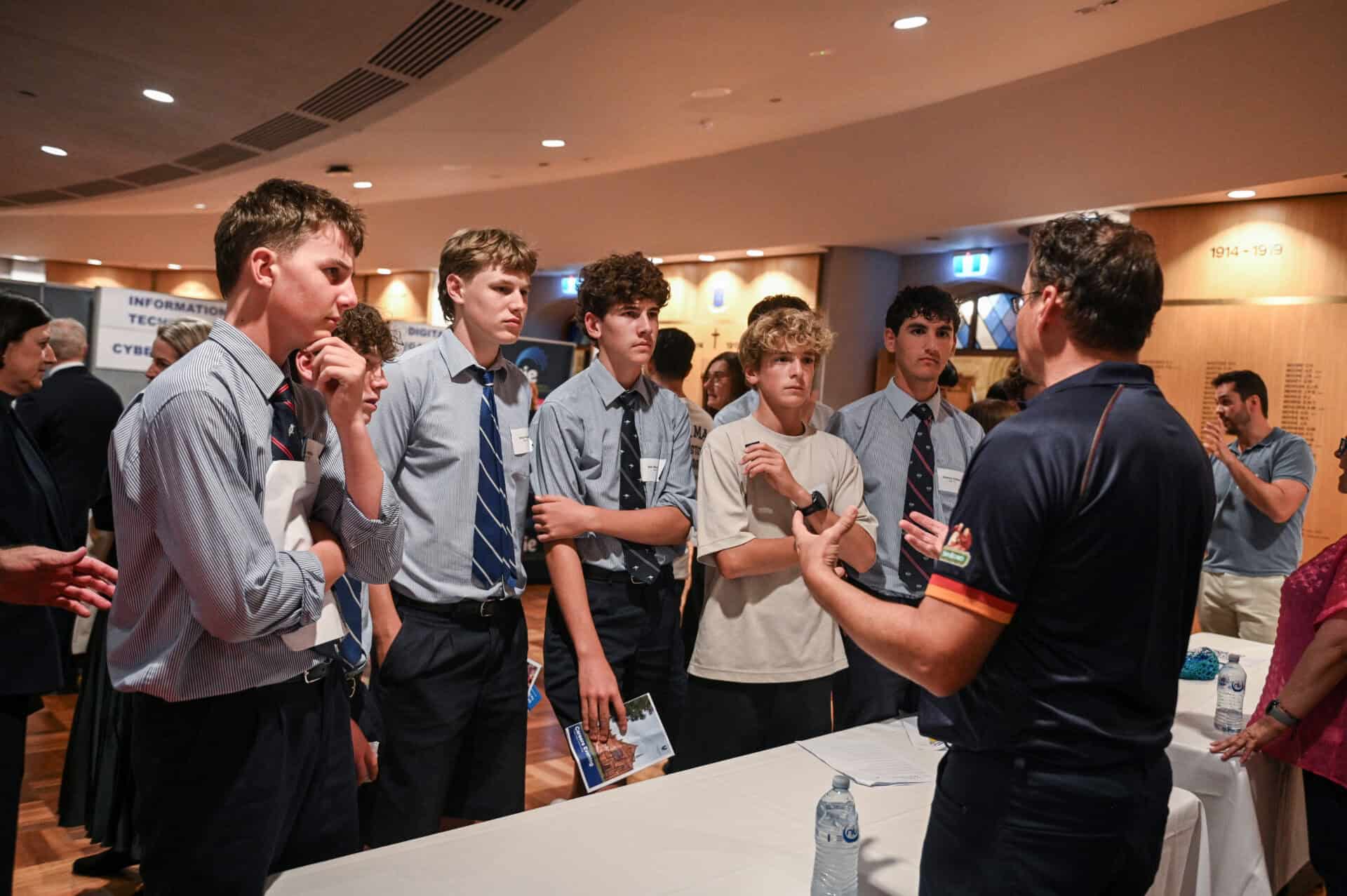
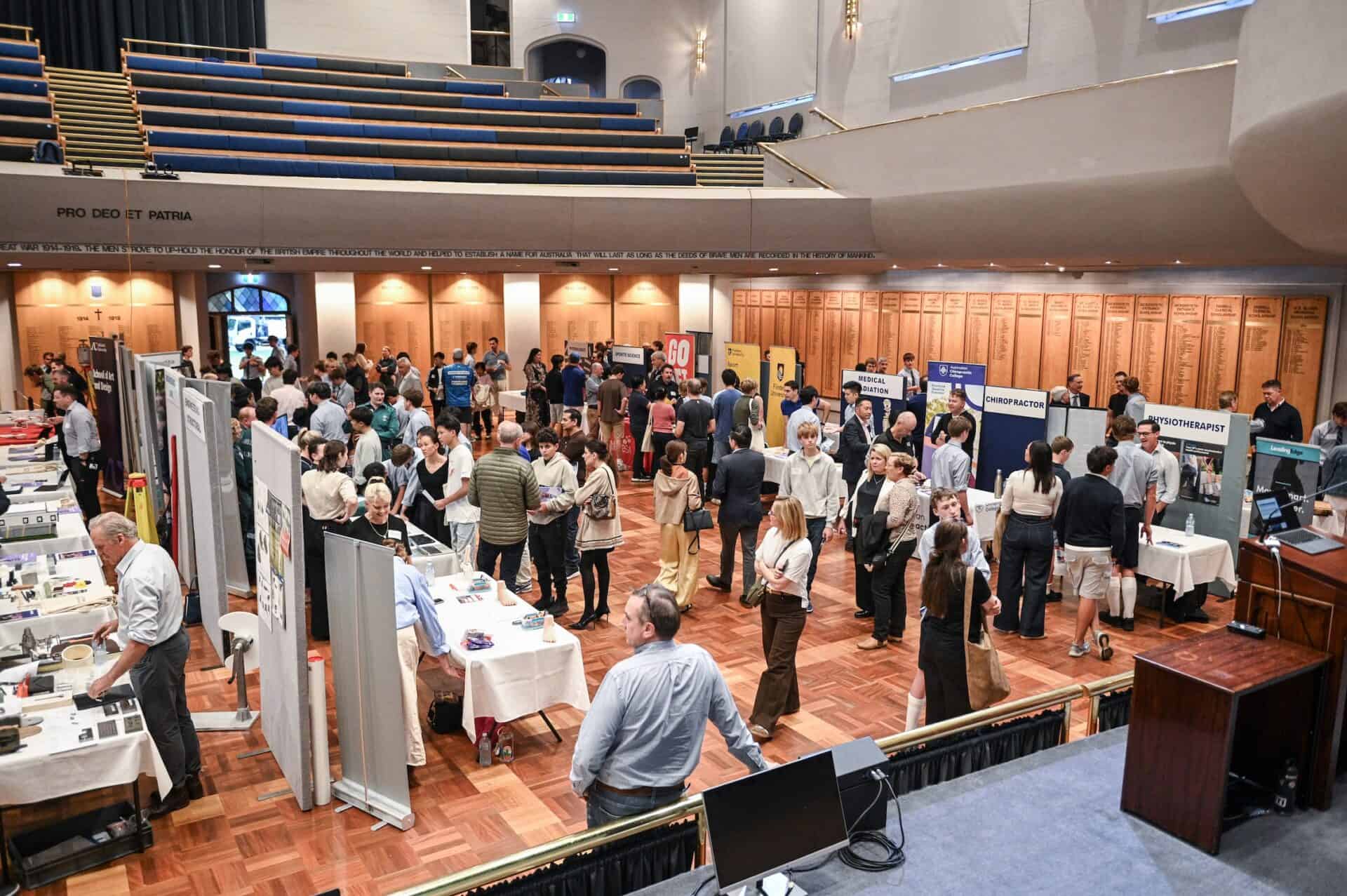
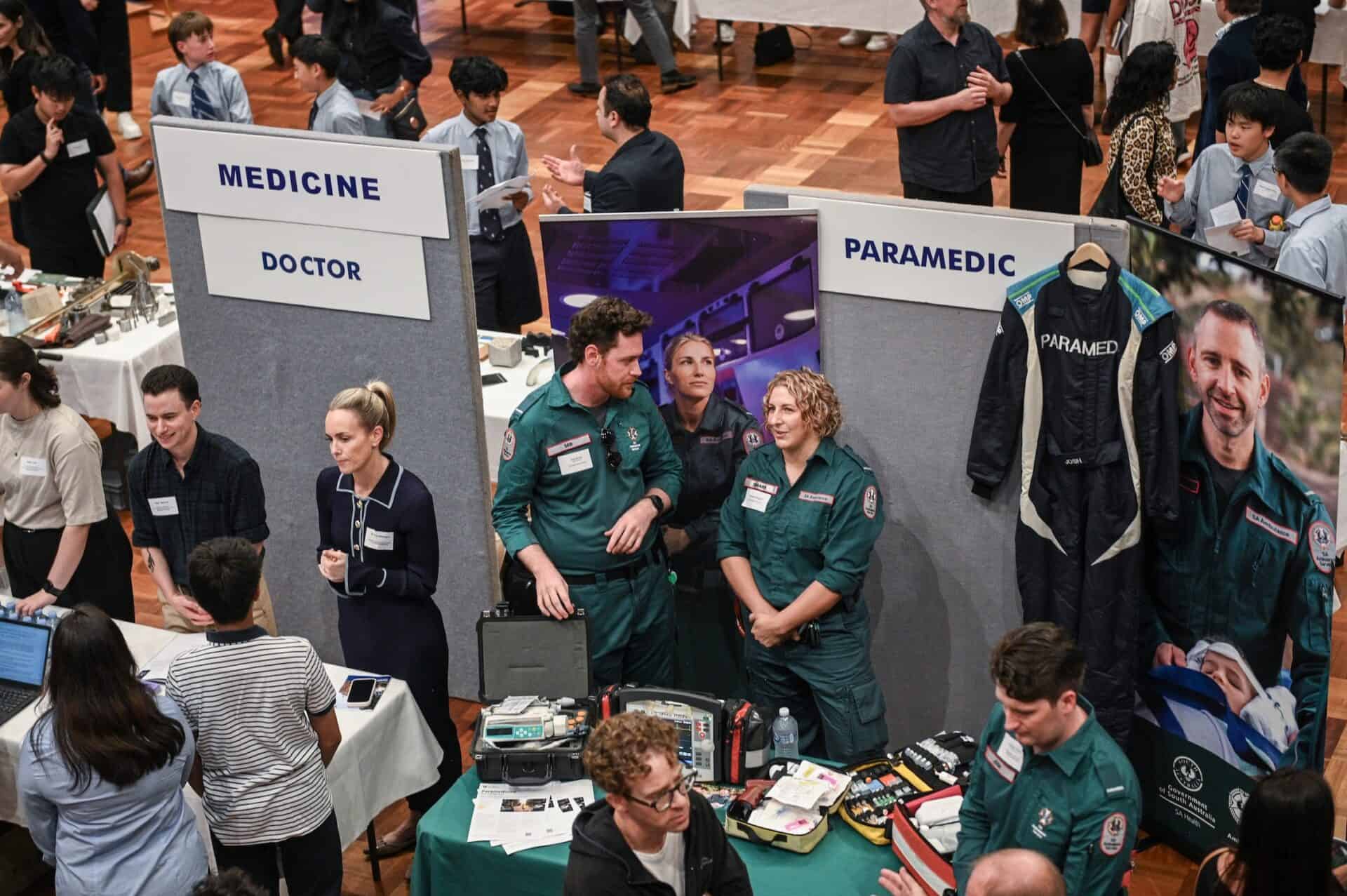
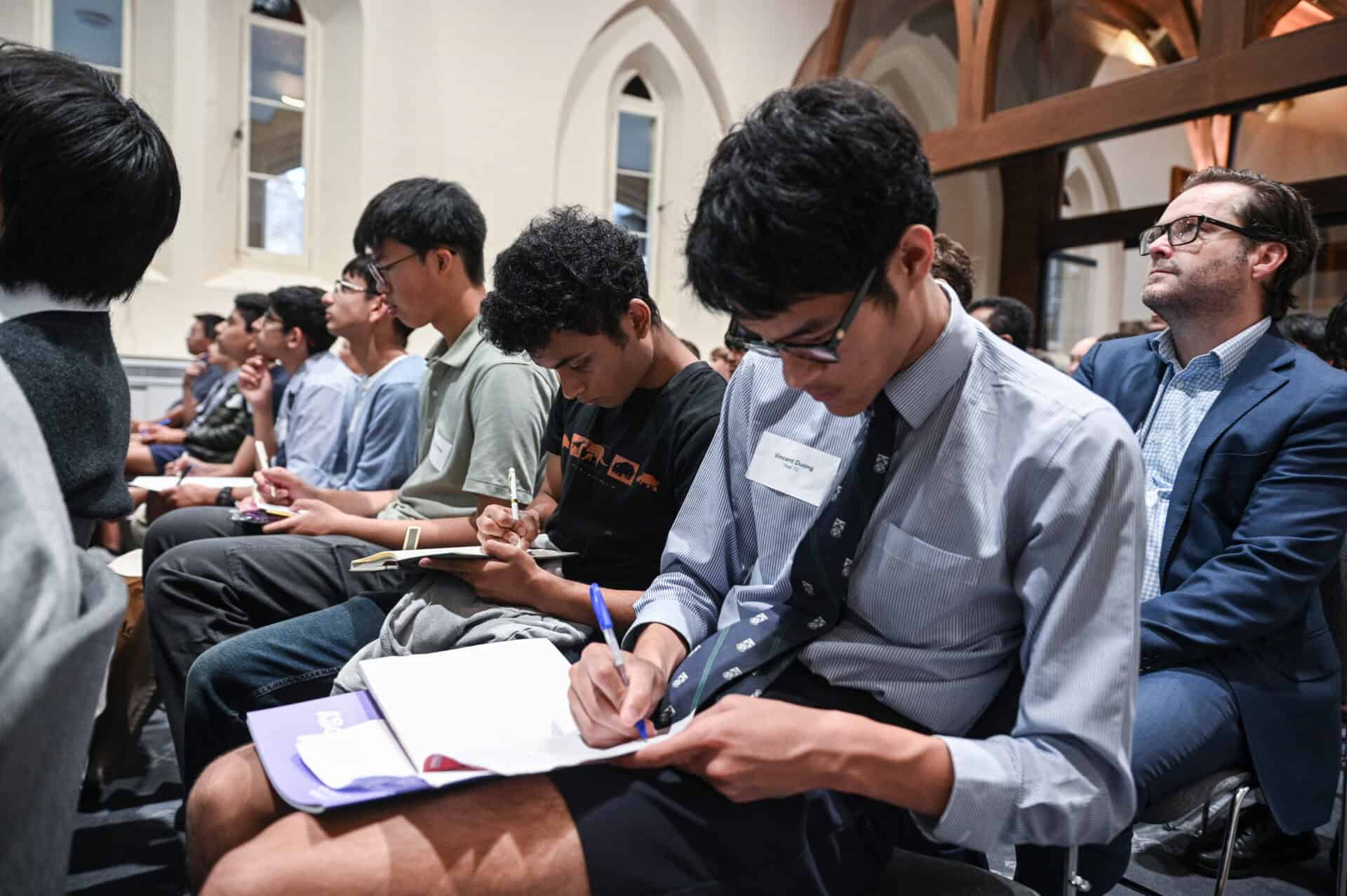
One of the most powerful ways we support that process is by creating moments that spark curiosity, open up possibilities and allow students to hear real stories from people who’ve stood where they’re standing now. Our Careers Evening, held for Years 10 and 11 students, is one such moment. It brings together old scholars, parents and professionals from a wide range of industries, including finance and accounting, law, medicine and engineering. These are the fields many of our students traditionally pursue. But it also opens windows into careers in cyber security, emergency services, trades, aviation, viticulture, veterinary medicine and even games and film. The diversity of voices on the night offers a powerful reminder that success and fulfilment can take many forms and that no two paths are ever quite the same.
It is particularly heartening to see a wide range of old scholars and SPSC parents giving up their own time to offer their wisdom and experience to our students. Our School value of service rings especially true on occasions like this. Our boys are lucky to be entering a global workforce where they can draw upon the resources of a diverse and engaged old scholar professional community.
The Headmaster often reminds students that they should be wary of settling on a singular, fixed career pathway too soon. It is acceptable, even expected, to be uncertain about what the rest of their life might look like. That uncertainty, he tells them, is a state of mind many adults secretly share.
Personally, I never imagined I would become a teacher. My brother, father and grandfather had all left school to study either Law or Medicine at the same university but, to my parents’ and teachers’ credit, I never felt any pressure to do the same. I loved my schooling and was lucky enough to enjoy some success. However, in terms of tertiary pathways, the things that gave me most joy were poetry, cricket and theatre. I expected that I would naturally find my way into some un-named career that paid me a salary to do at least one of those things, after living out a few years of what I now recognise as a sort of Oxbridge undergraduate fantasy. My parents recognised this naivety fairly early and suggested I consider teaching. This led to a dreadful argument where, with a teenage petulance of which I am now ashamed, I told them I could never be a teacher because education was, in my own words (which I obviously find horrifying now), “intellectually regressive – you’re just telling someone else what you know already!” How little I understood the value and mechanics of education when I was in Year 9.
To Mum and Dad’s credit, they treated my outburst with grace and patience. I remember them grinning slyly at one another. I probably stormed off to my room to recite poetry holding a cricket bat.
There are a number of lessons to this story, I think. Teenagers aren’t always as wise as they think, and parents are nearly always wiser than their teenagers give them credit for. One important learning for me is to never rule any career pathway out. The great irony, of course, is that I ended up in a job where I was paid to immerse myself in poetry, cricket and theatre. To a captive audience, no less. Teaching gives me meaning and purpose in a way that my teenage self could never have imagined but I think I had to work that out for myself.
One wonderful thing about SPSC’s approach to Careers is that it begins with reflection, not just ambition. In Year 10, students take part in Exploring Identities and Futures, a program that encourages them to think deeply about who they are, what matters to them and how their interests might connect to future possibilities. This focus continues into the senior years through Activating Identities and Futures, along with practical support around subject selection and pathways planning.
Through events like the Careers Evening, and through conversations in classrooms, tutor groups and family kitchens, we continue to plant the seeds. What grows from them may take different forms but the message is the same. You don’t have to know everything now. Just be curious, keep asking questions and be open to the unexpected.
Nick Carter
Deputy Headmaster | Teaching and Learning