21 March 2025
Have you ever wondered why and how we celebrate Harmony Day? Harmony Day is when we gather as a community to celebrate and appreciate different cultures. For instance, Harmony Day is when we do not judge people by their culture of appearance because we all are unique. In addition, we include other cultures to join different communities to celebrate and learn from one another. People wear orange to represent peace and inclusiveness. The colour orange is a meaning of harmony. Finally, we recognise and respect other religions that make up who we are. In conclusion, if you and I celebrate Harmony Day respectfully, we can make Harmony Day every day!
By Miles Tang 4J
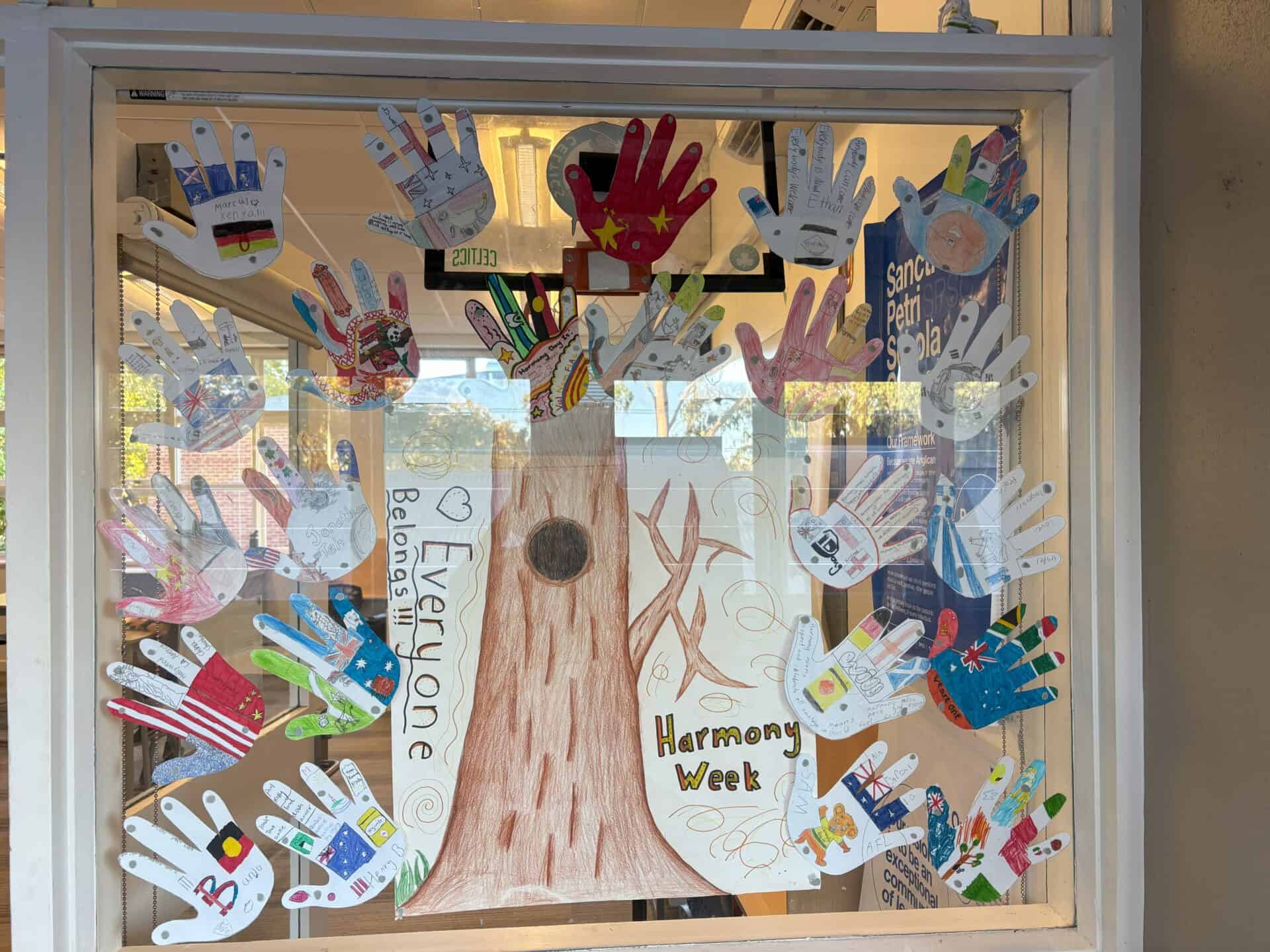
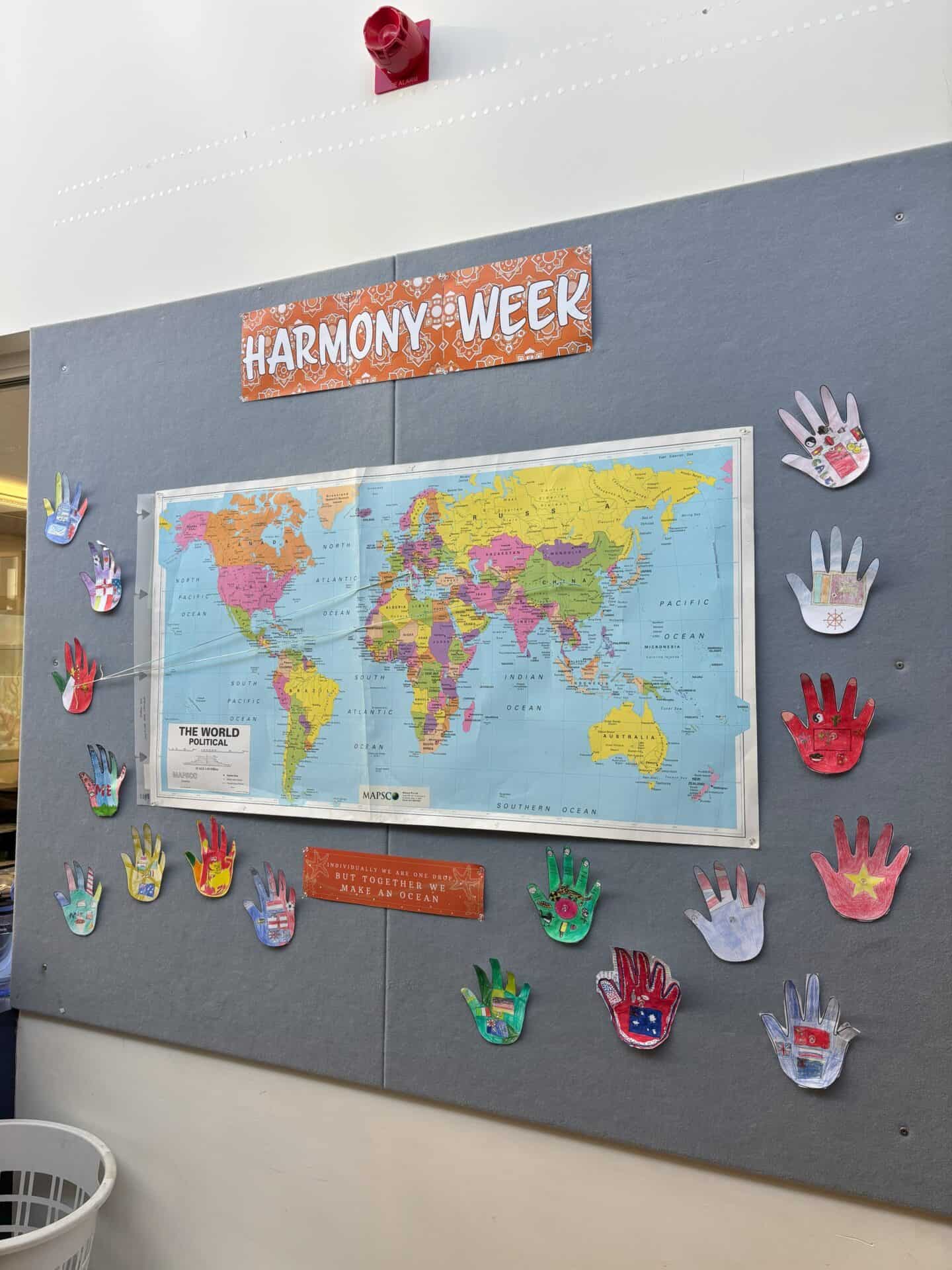
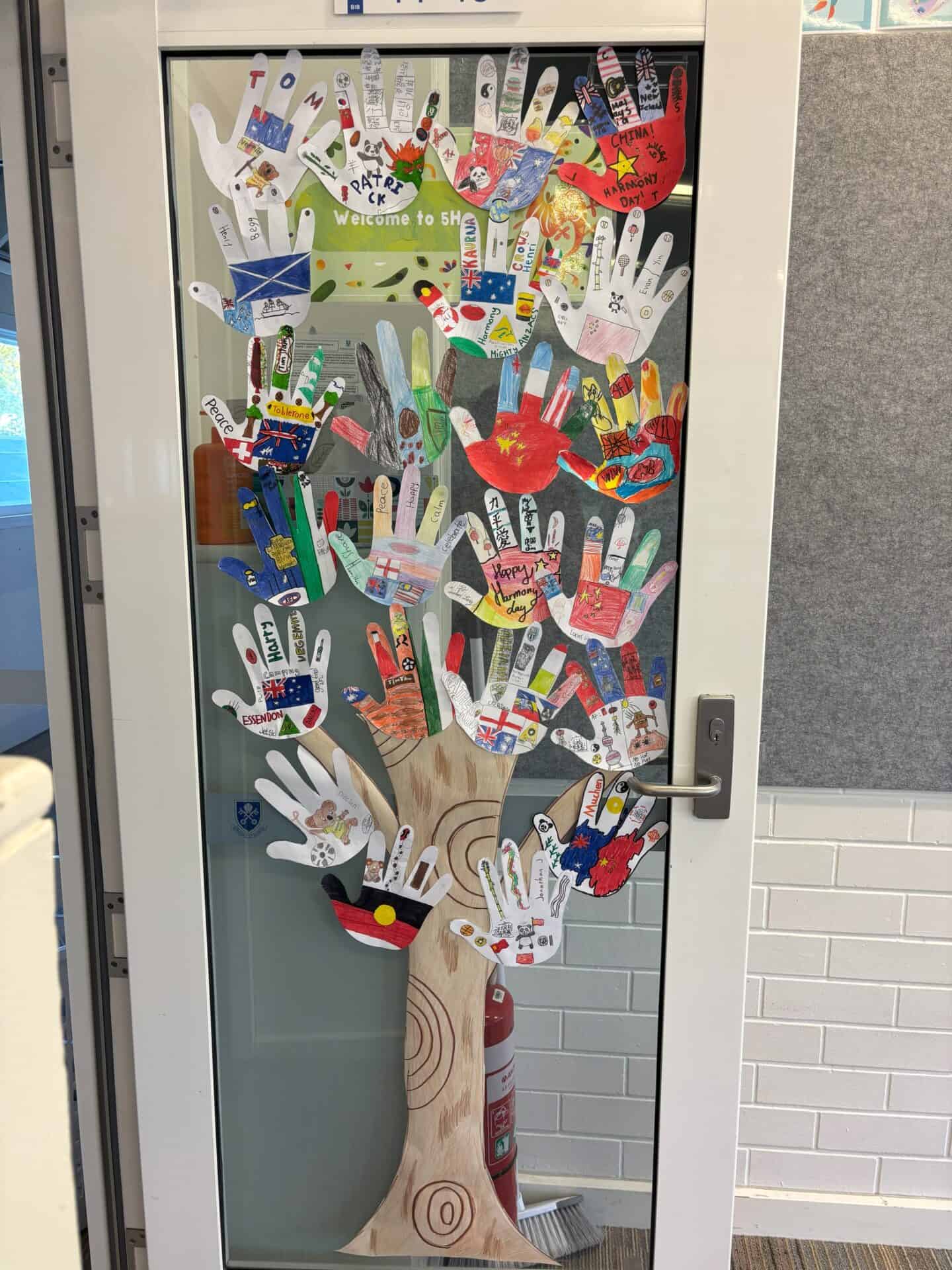
This week, across the Junior School we have been celebrating Harmony Week. Throughout year levels and in various learning areas students have been exploring the themes of respect, inclusiveness and belonging. Provided below is a brief summary of a few of the learning experiences our students have engaged with this week.
Year 4 students in their English lessons have been reading and viewing different texts to gain a deeper understanding and appreciation of Harmony Week. They have written poems and identified through drawings how they can bring harmony to the world. These experiences culminated in students writing a ‘spotlight’ paragraph, summarising their understanding of Harmony Week. The above statement by Miles Tang is one summary that was created as a result of this literacy process.
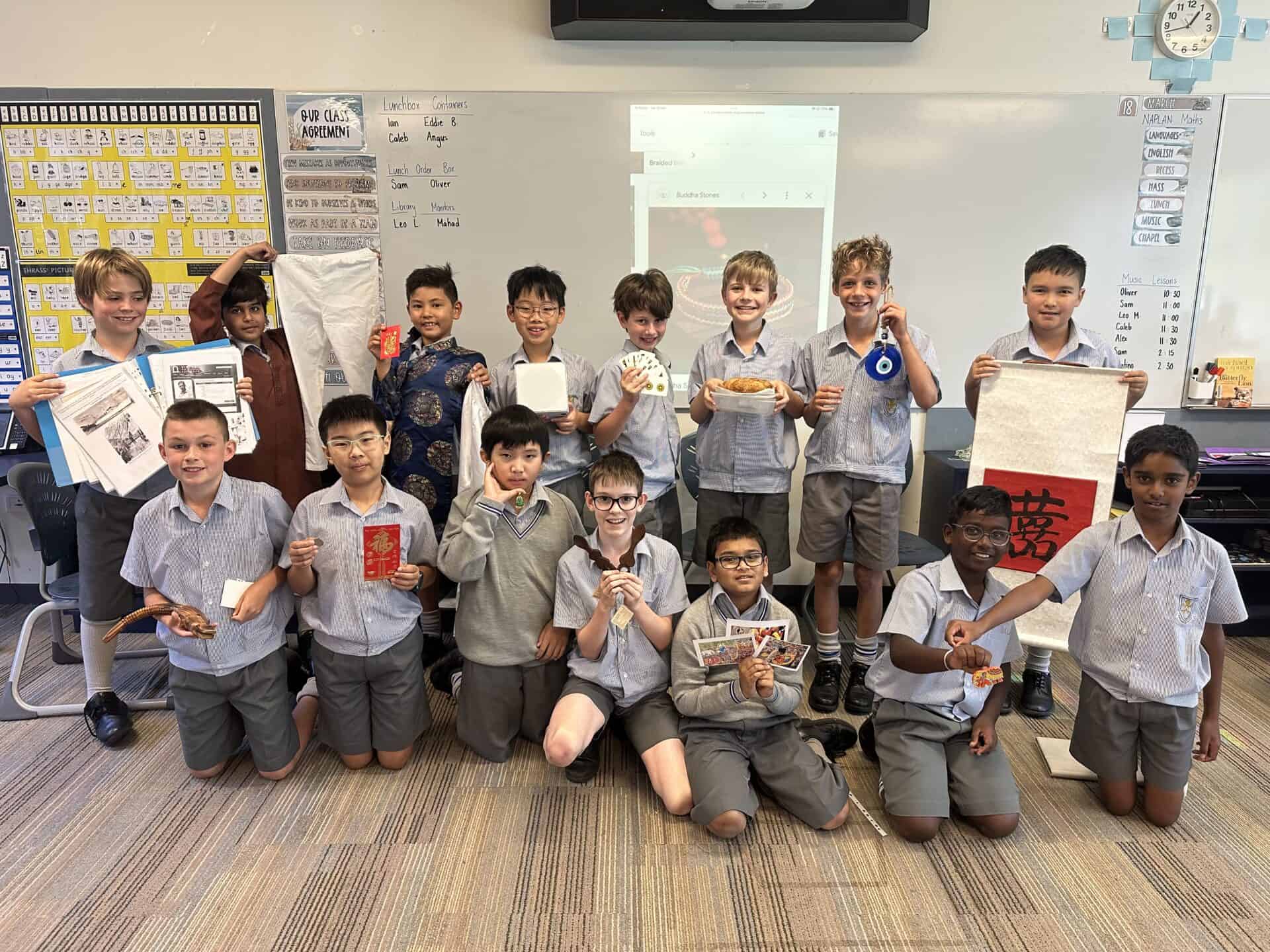
Year 5 students have participated in a sharing circle this week, where students present an item or artefact from home that holds cultural significance to their family. This has been a fantastic opportunity to celebrate our diverse backgrounds and learn more about each other’s family traditions.
Year 2 students explored Harmony Day through artwork and poetry (a current English focus area). In Grammar students investigated synonyms for ‘harmony’ and explored the concept of harmony in THRASS word study lessons.
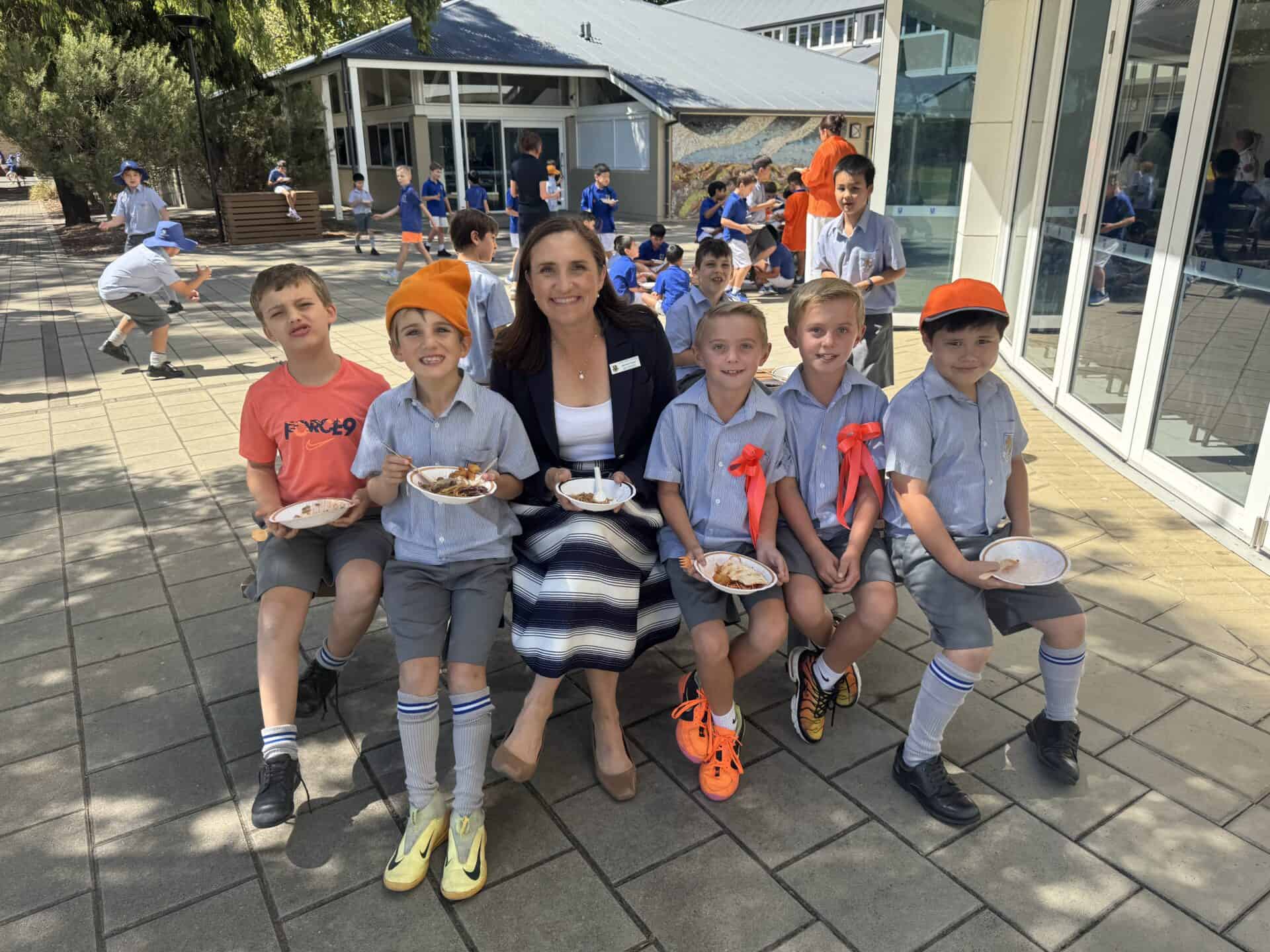
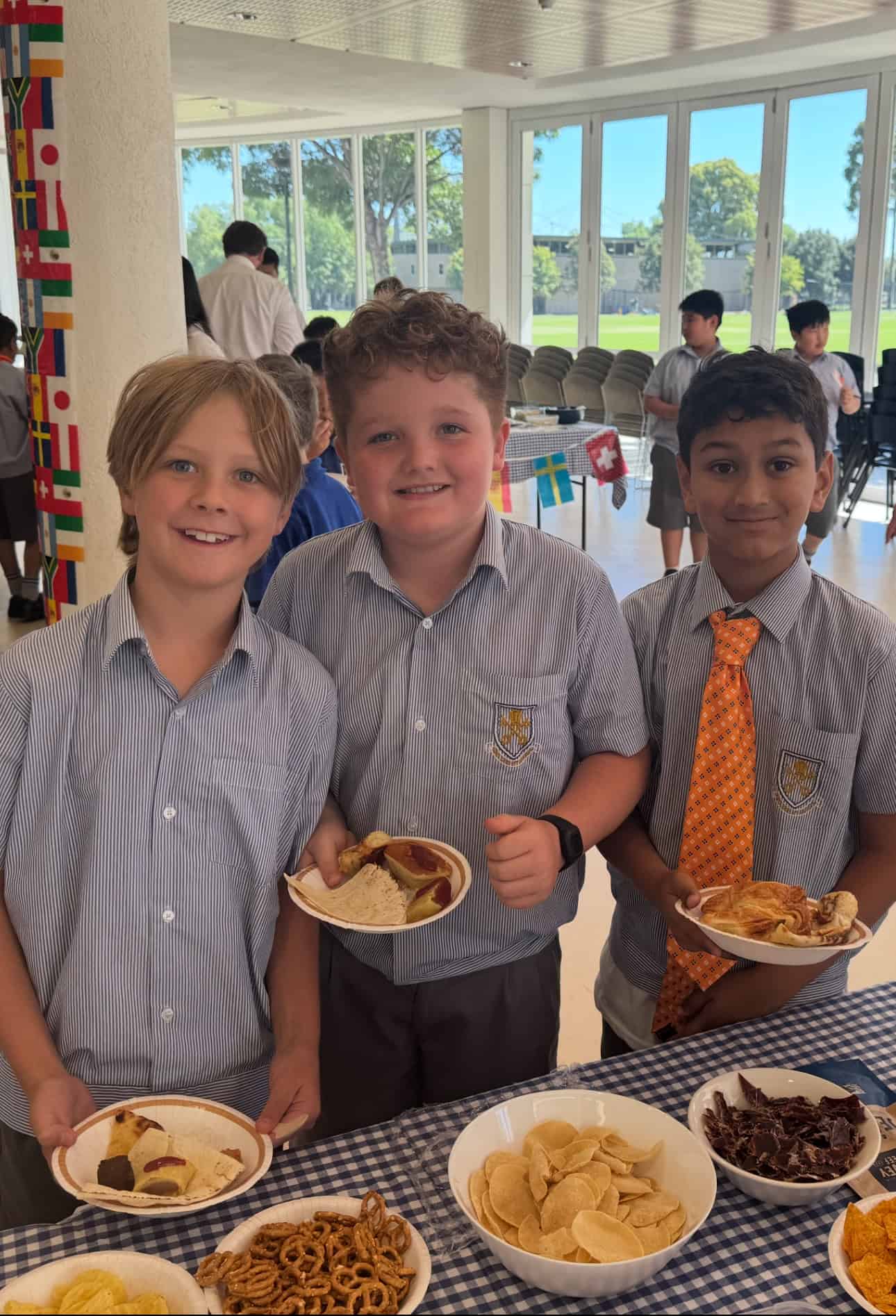
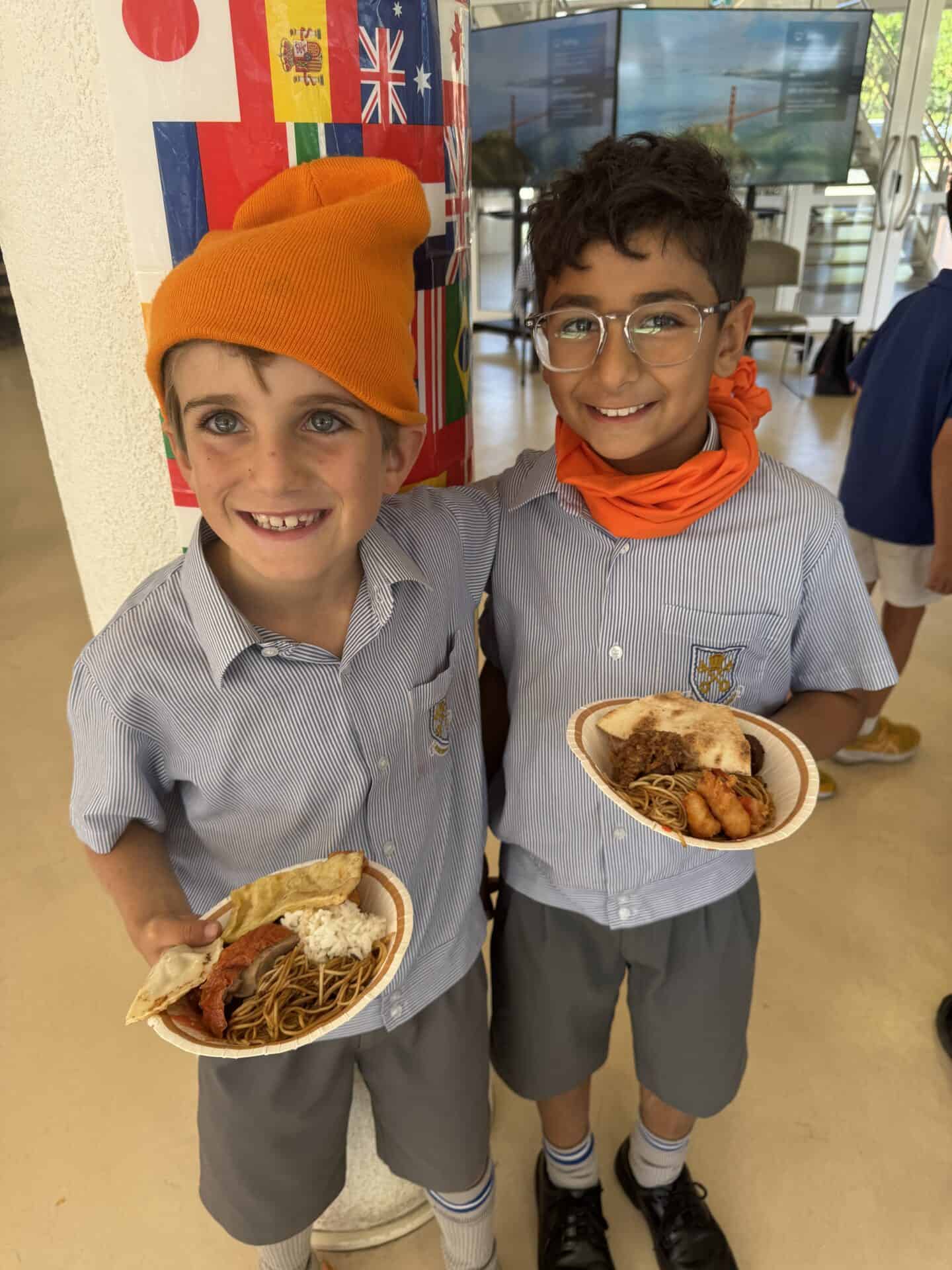
The Year 3 cohort gathered to celebrate Harmony Day by sharing foods that represented their diverse cultures. They enjoyed an incredible lunch featuring dishes from all around the world, including goulash, shredded potato, falafel, noodles, dumplings, lychee jellies, just to name a few. The boys were encouraged to try new foods from different cultures, and it was wonderful to see the boys share their food with such pride and enthusiasm. Everyone wore a touch of orange to encourage meaningful conversations, while promoting respect and tolerance for one another. It was a joyful celebration and an enriching learning experience for everyone involved. Thank you to the Year 3 parents for providing the food and to those who helped with the lunch. Their support is greatly appreciated!
Intercultural understanding is a key feature of our curriculum across the whole year. It is one of the Australian Curriculum’s seven General Capabilities. Intercultural understanding encompasses the behaviours and dispositions that students need to understand what happens and what to do when cultures intersect. Through learning to value their own cultural perspectives and practices and those of others, young people are supported to become responsible local and global citizens. They are equipped for living and working in an interconnected world. Intercultural understanding involves students developing the knowledge and skills needed to reflect on culture and cultural diversity, engage with cultural and linguistic diversity, and navigate intercultural contexts. ACARA 2025
Mr Christopher Sanders and Junior School Year Level Coordinators