13 May 2026
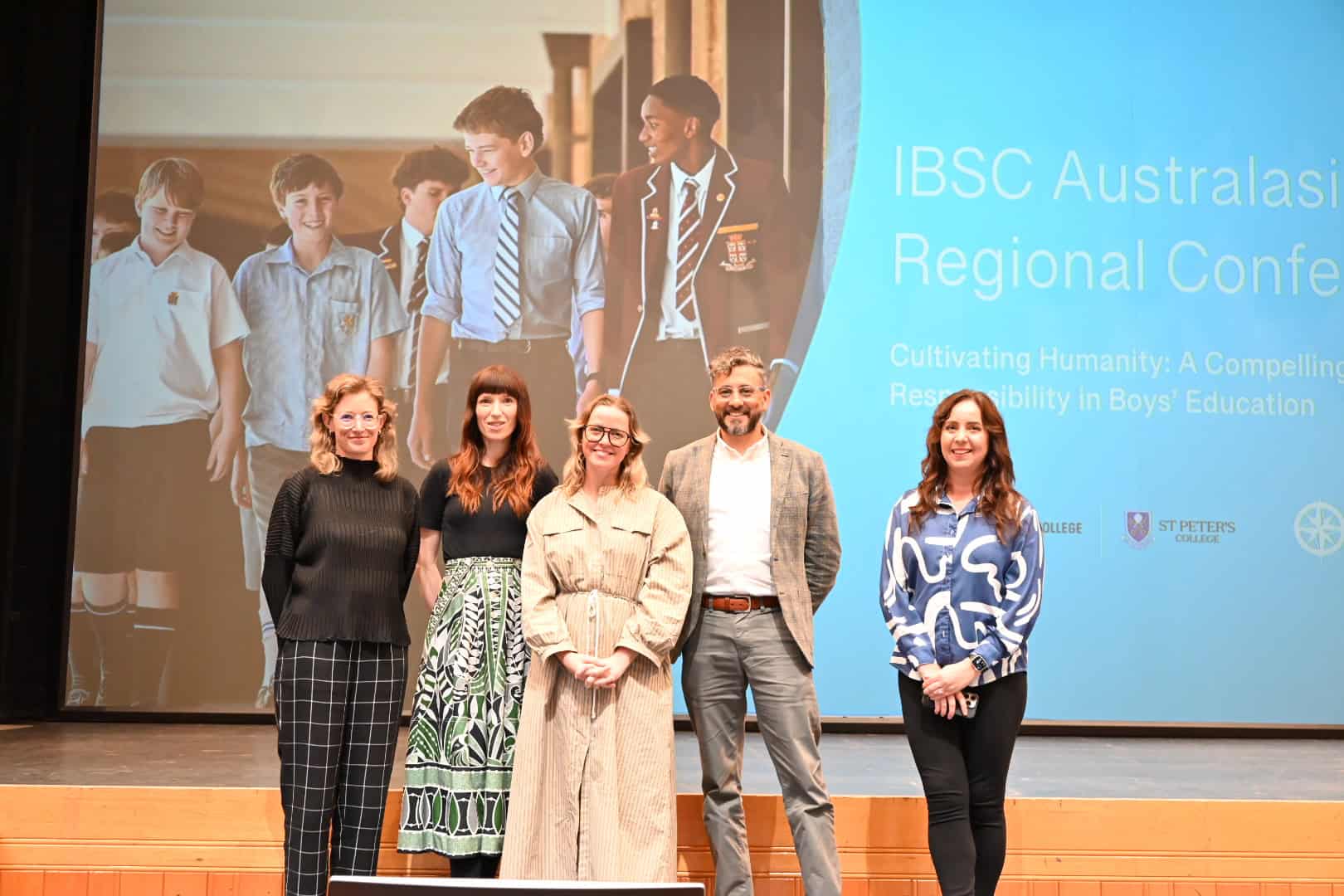
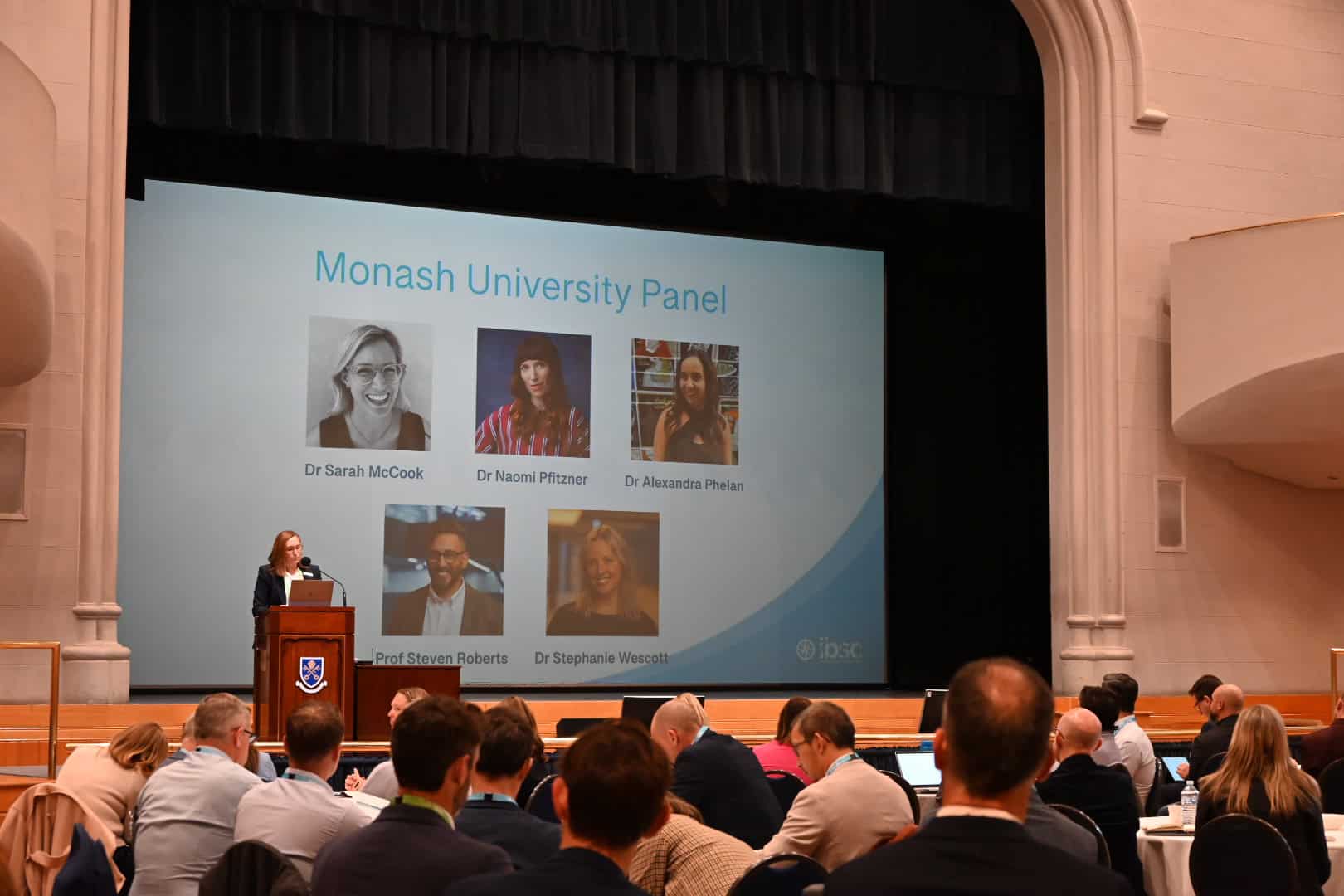
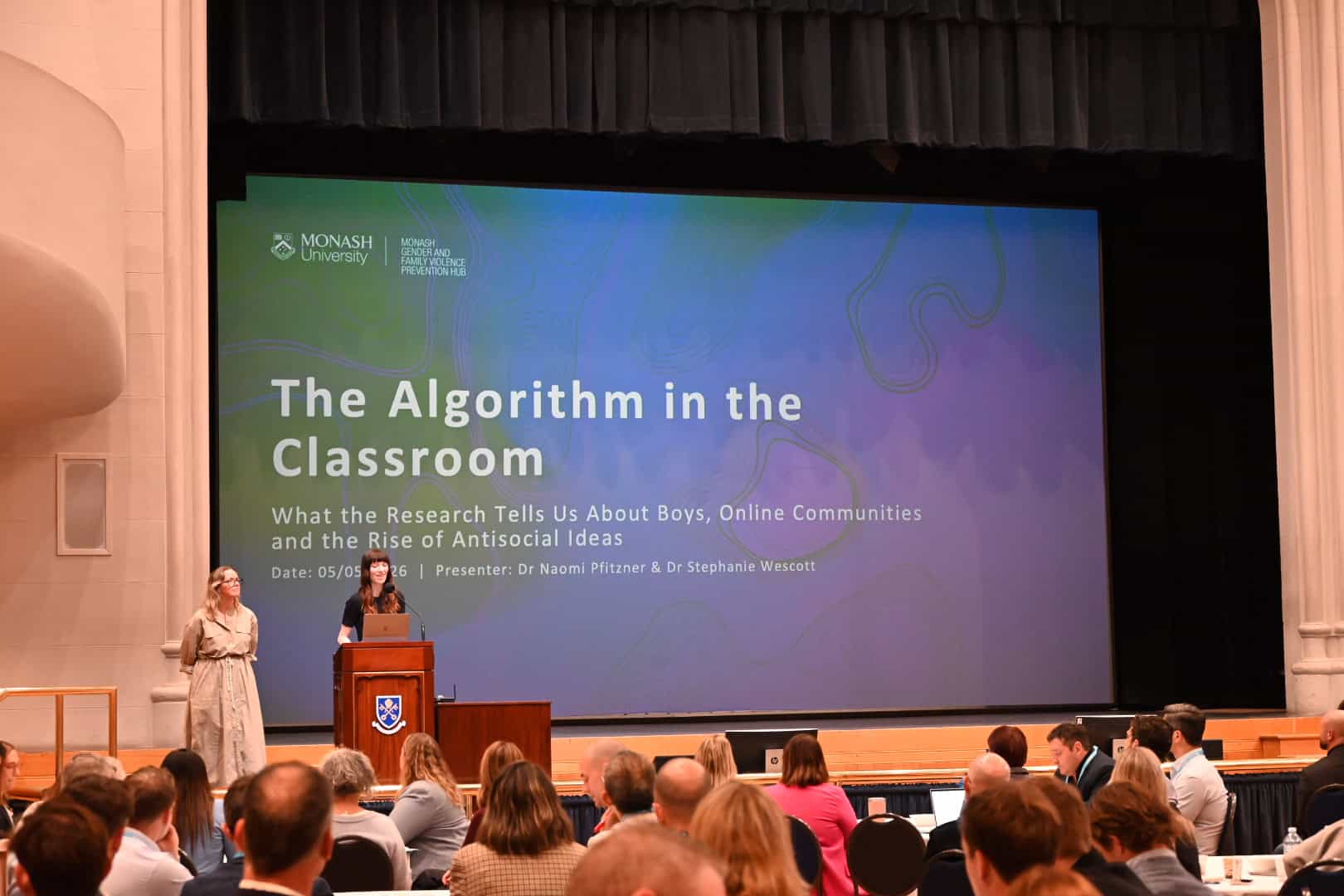
In their parent session on Monday 4 May, researchers from Monash University examined how certain online spaces and influencers are shaping how boys see themselves, others, and the world around them.
Avenues for exposure to ideas and media have experienced a seismic shift from that which many of us would have been exposed to in our own adolescence. Television, radio, newspapers, magazines, and online spaces were equally visible to adults and young people alike. Media messaging designed for young people was transparent, and devices were few, far between and usually in shared family spaces. Indeed, you probably couldn’t spend too long on the internet if you tried, because someone else inevitably wanted to use the phone.
The digital ecosystem of today is different. Sophisticated algorithms running on devices in our pockets leverage our personal metadata, demographic information and our intentional and micro interactions with content to create bespoke feeds which are designed to keep us in-app for as long as possible. Not only is the content highly targeted, but the production values themselves are exceptionally well leveraged.
Influencers in the manosphere offer content that is overtly related to common interests of young men- fitness, gaming, confidence-building or dating. Combined with polished production techniques, confidence, and aspirational lifestyle signalling, they have immediate appeal. But the primary focus is often interwoven with more harmful messaging and ideas- from the “grindset” mindset which tells young men that they just need to hustle more or should reject education in favour of entrepreneurism, to emotionally charged narratives around victimhood and status that often position broader systems- including feminism- as responsible for boys’ and men’s struggles or dissatisfaction. This kind of content can show up in newly created account feeds that identify the user as male in as little as just 23 minutes (Baker, Ging and Andreasen, 2024).
Messages from manosphere influencers are most powerful when they offer the strongest sense of validation, belonging and connection in a young man’s life. While reducing access to these spaces and implementing safeguards both have an important role to play, technical measures alone are unlikely to address the deeper issue. The strongest protective factors are relational rather than technical.
Open conversations at home and at school, opportunities for genuine connection, involvement in sport, the arts, service and community, and strong role models all help young people develop a grounded sense of identity and purpose. When they experience a strong sense of belonging, they are better positioned to see harmful messages for what they are and feel empowered to reject them.
In our 2025 student survey as part of the Technology Review, the positive aspects of online spaces most frequently identified by our Senior School students shared a common thread: they were strongly linked to offline aspects of their world, like connecting with friends, following interests or learning new skills. Boys recognised darker aspects of online spaces; some felt they were savvier than their parents and teachers gave them credit for, and others acknowledged that some online messaging has a harmful impact on wellbeing. A common thread, though, was that they wanted to be heard when it came to discussing their online engagement- not judged.
This approach was also recommended by the Monash team, whose resource for schools draws on extensive consultation with young people. Discussions are most effective when they come from a point of curiosity. Ultimately, the goal is not simply- or at least, not solely- to shield boys from online spaces and influences, but to help them develop the confidence, critical thinking and strong sense of connection needed to navigate them well.
Parents wishing to explore this topic further can access our accompanying parent resource on questions to ask, conversation starters and features to watch out for, as well as the research and articles linked below.
An Introductory Guide to the Manosphere and the Impacts for Young People, Teachers and Schools
Being a young man online: Tensions, complexities and possibilities
Addressing the impact of Masculinity Influencers on Teenage Boys
Angela Norman
Head of Digital Innovation and Integration