09 September 2025
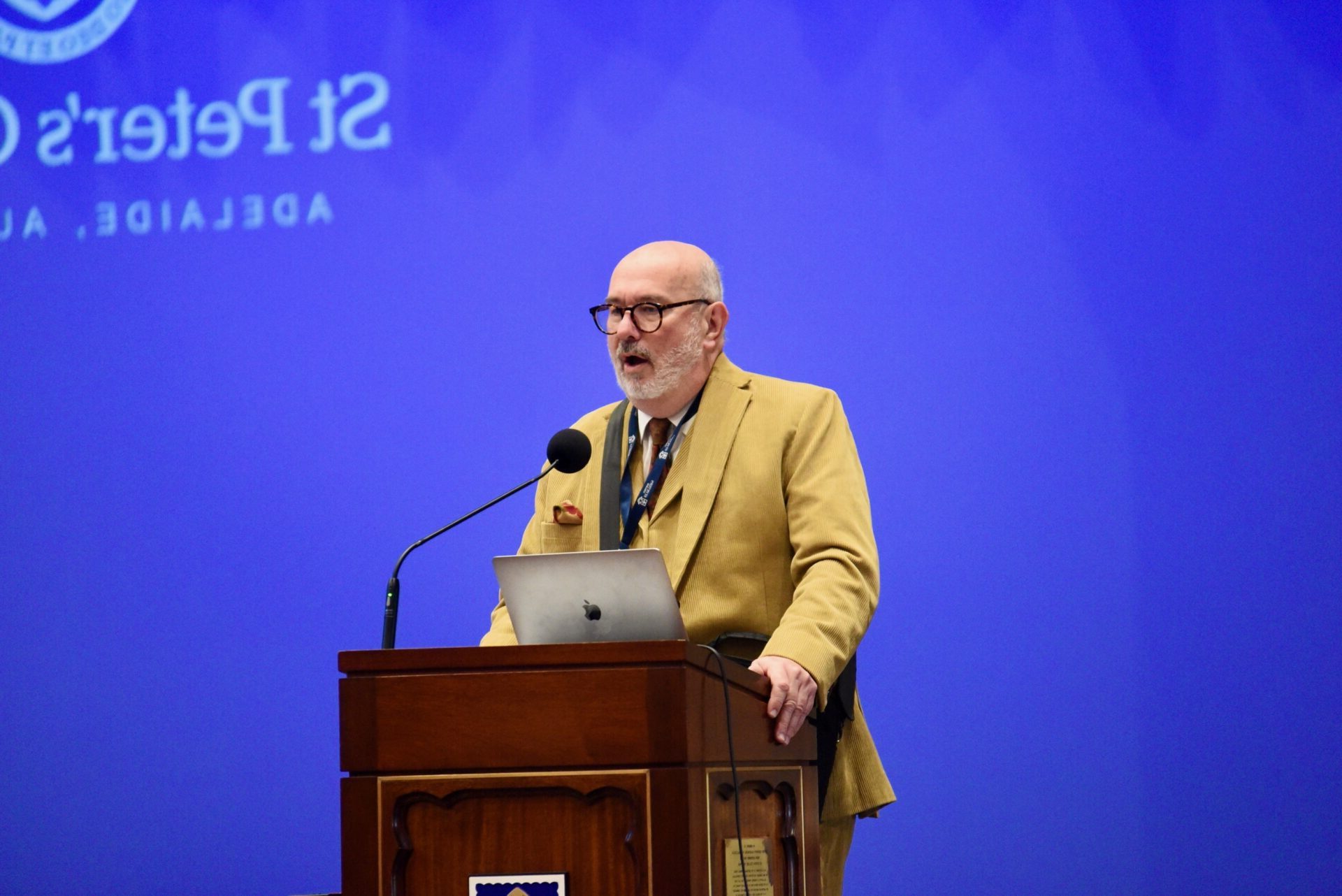
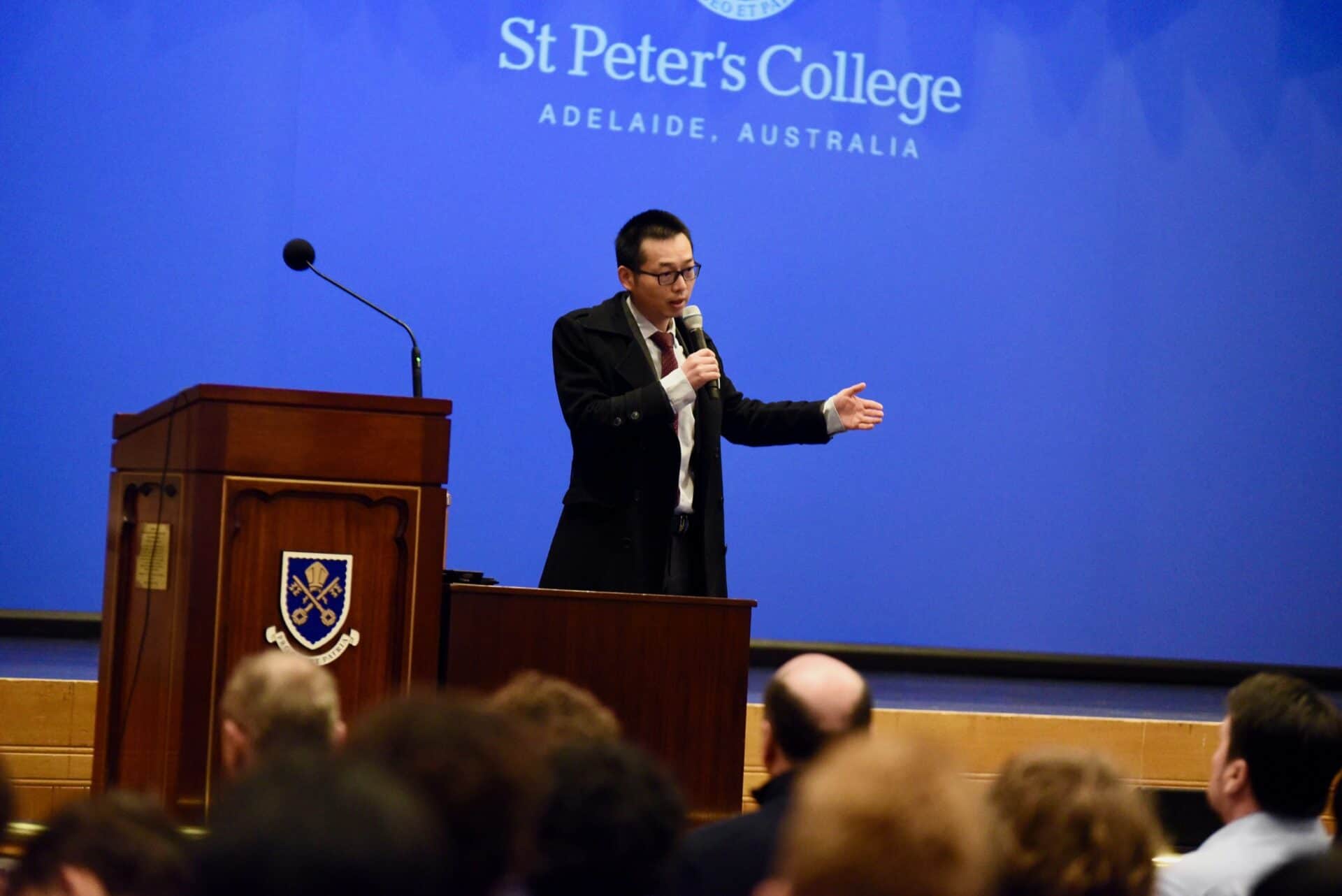
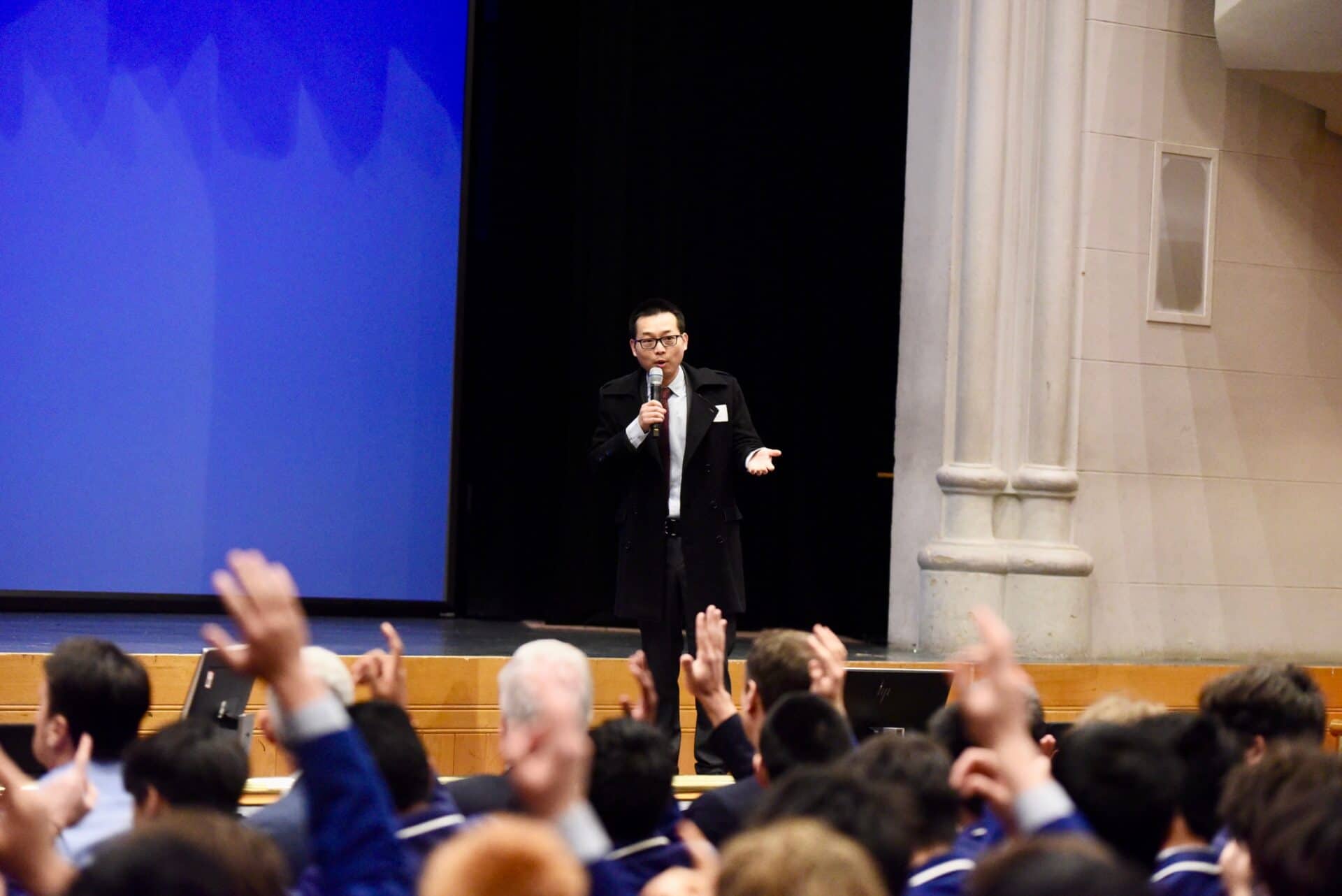
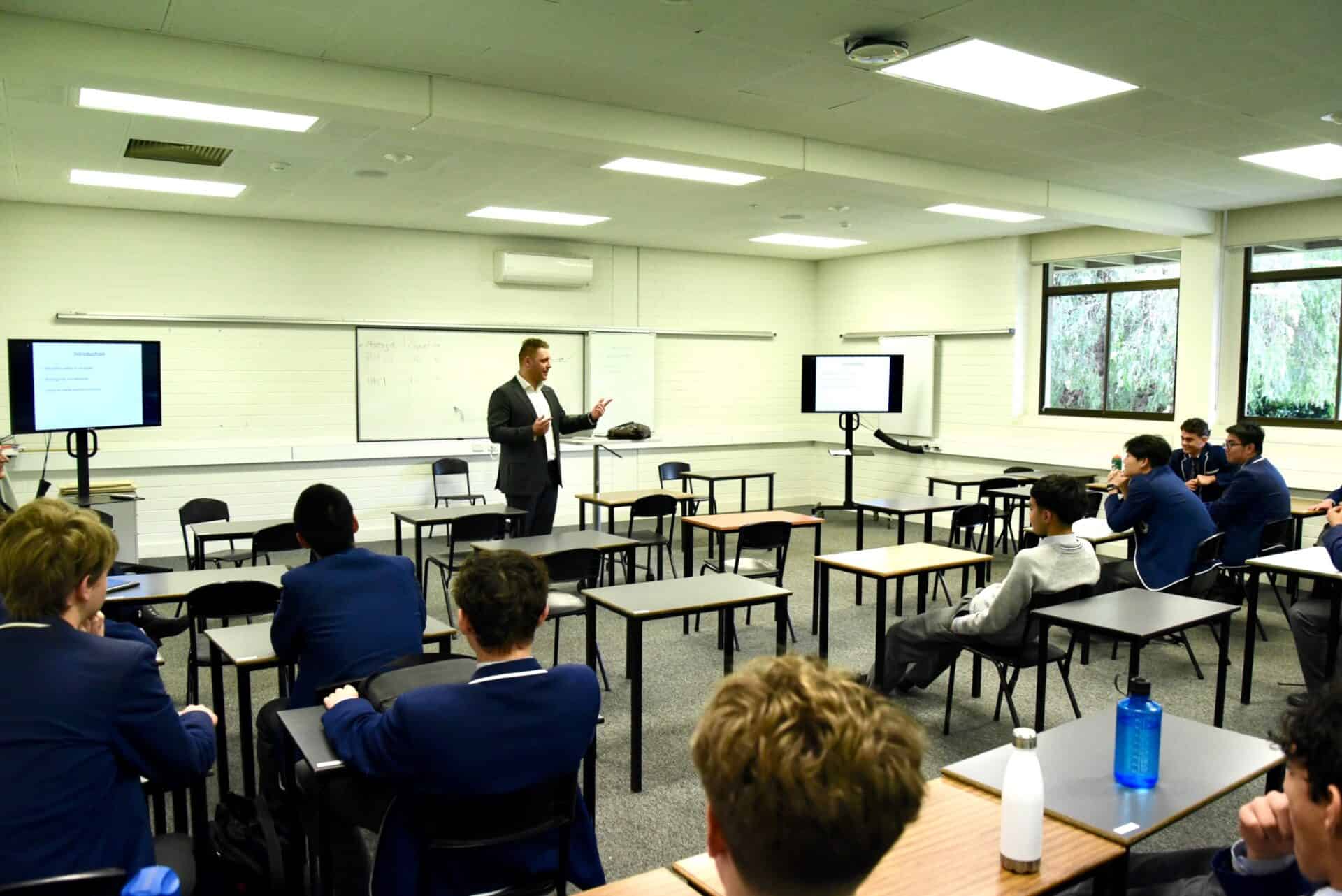
All Year 11 students at SPSC complete the SACE Stage 1 course Spiritualities, Religion and Meaning. As part of the Ethics unit of the course, the boys participated in Ethics Morning on Wednesday 27 August. The morning began with a keynote address “From Intelligence to Superintelligence: Charting the Future with AI and Spirit” by Professor Javen Shi, Interim Director, Responsible AI Research Centre at Adelaide University. Professor Shi discussed how to chart a wise and compassionate course through the massive shift in human life and work due to developments in AI, blending technological insight with spiritual depth.
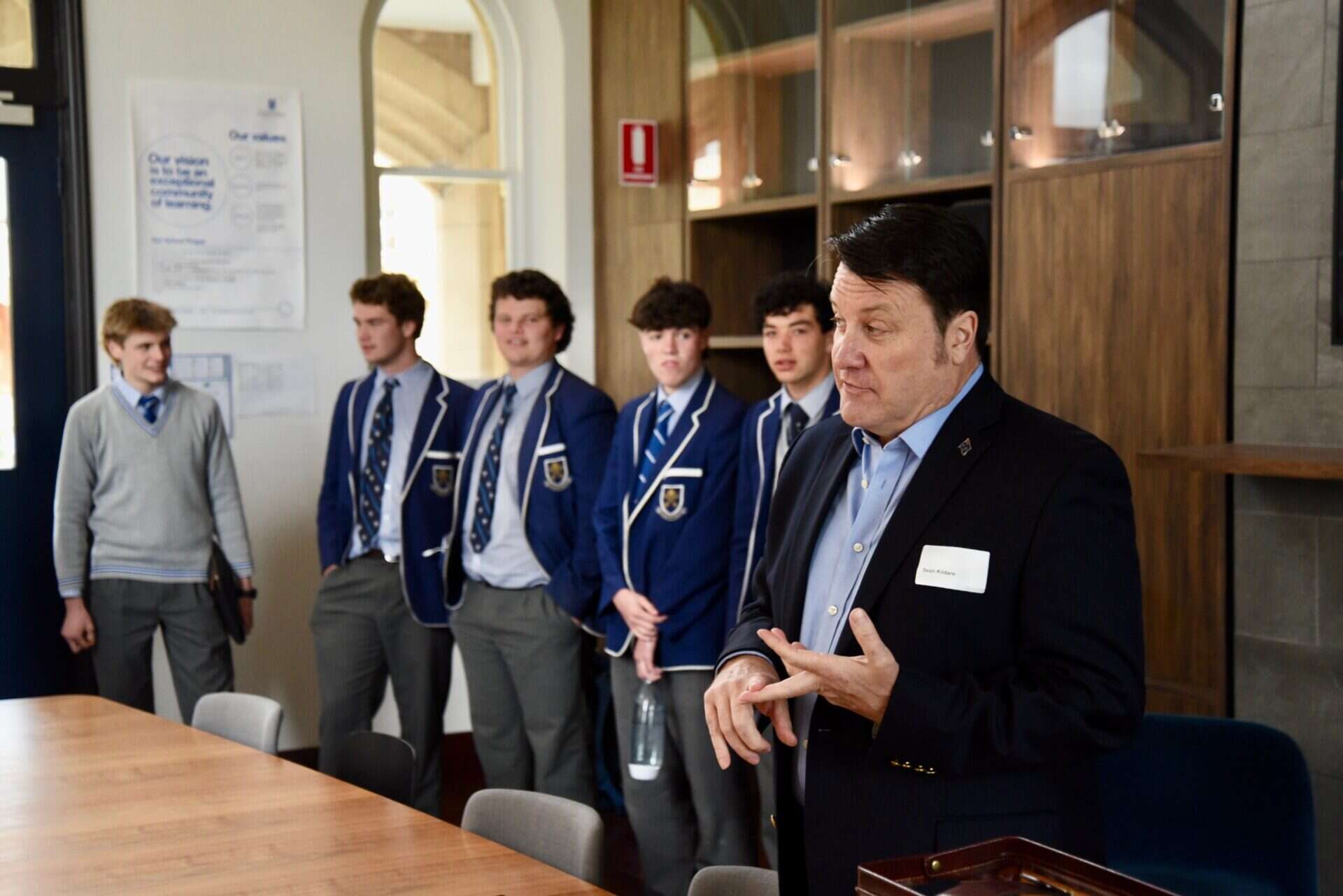
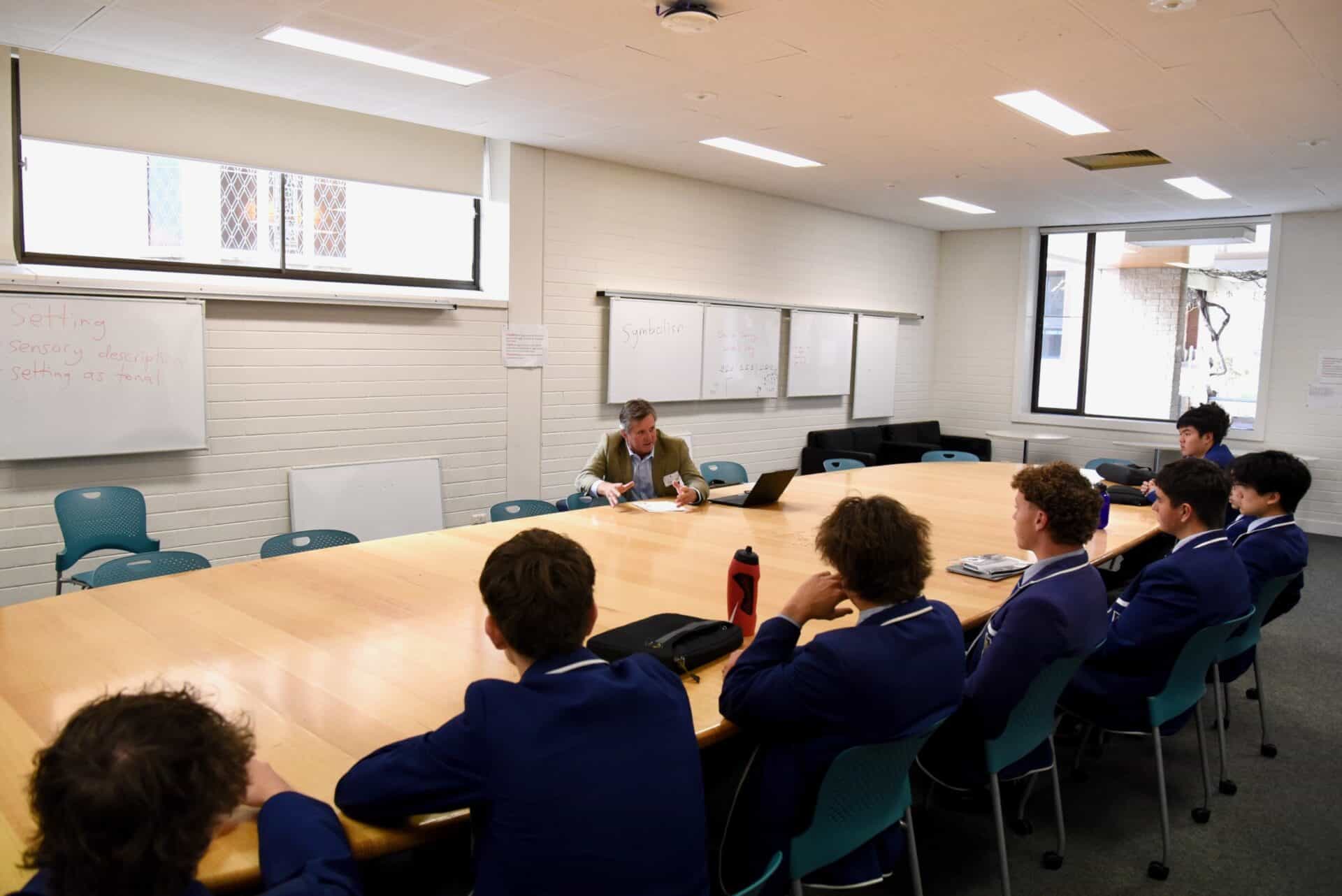
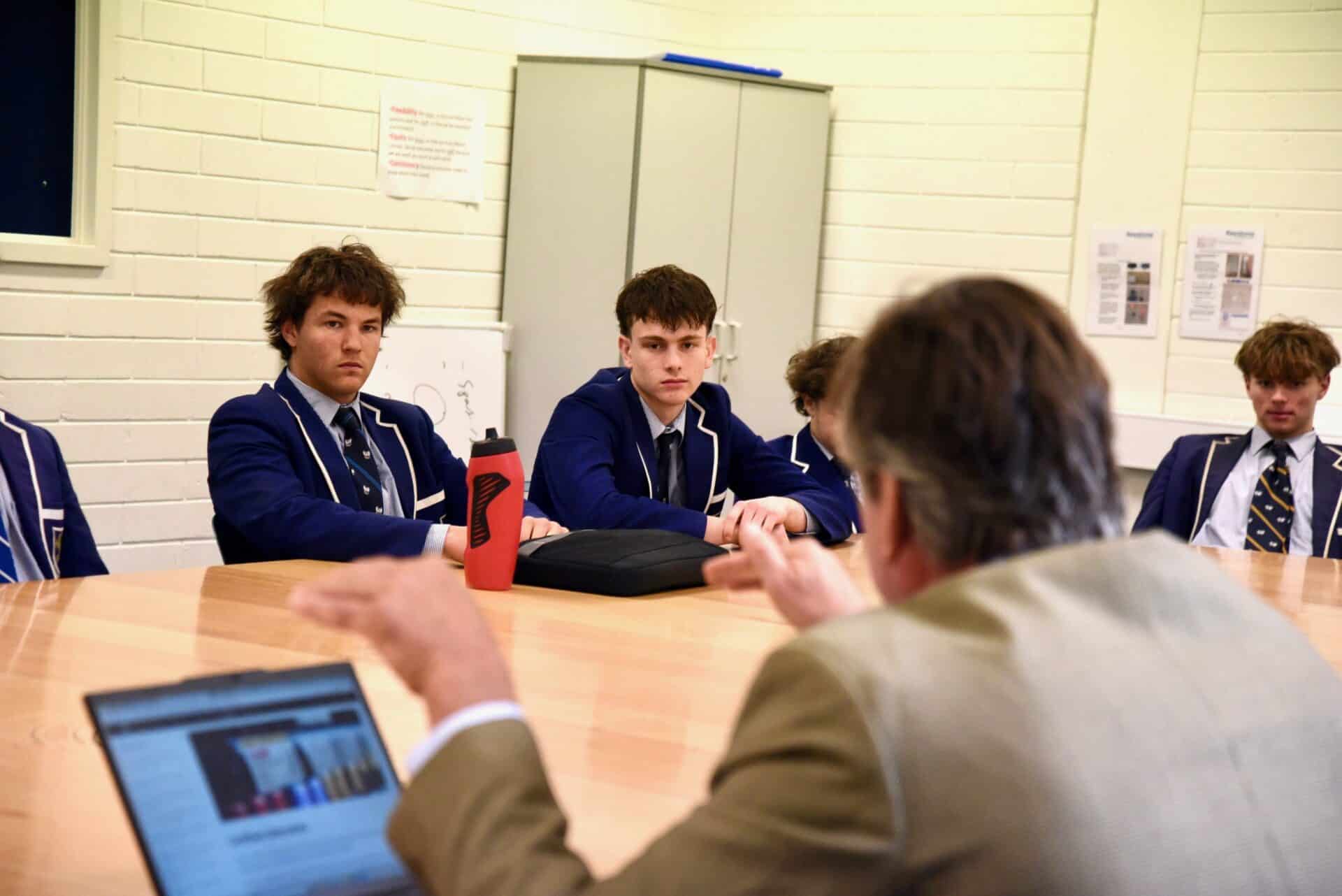
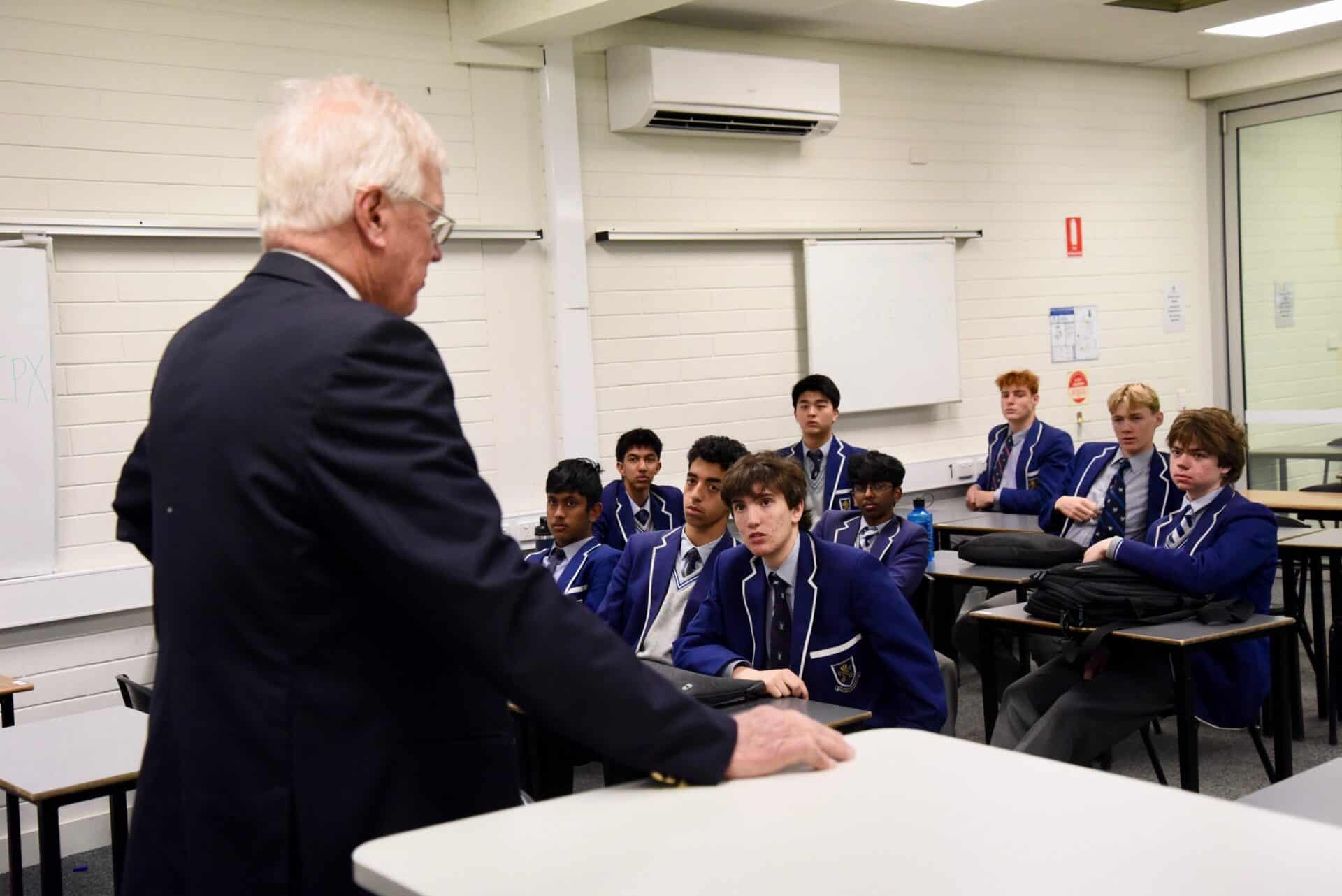
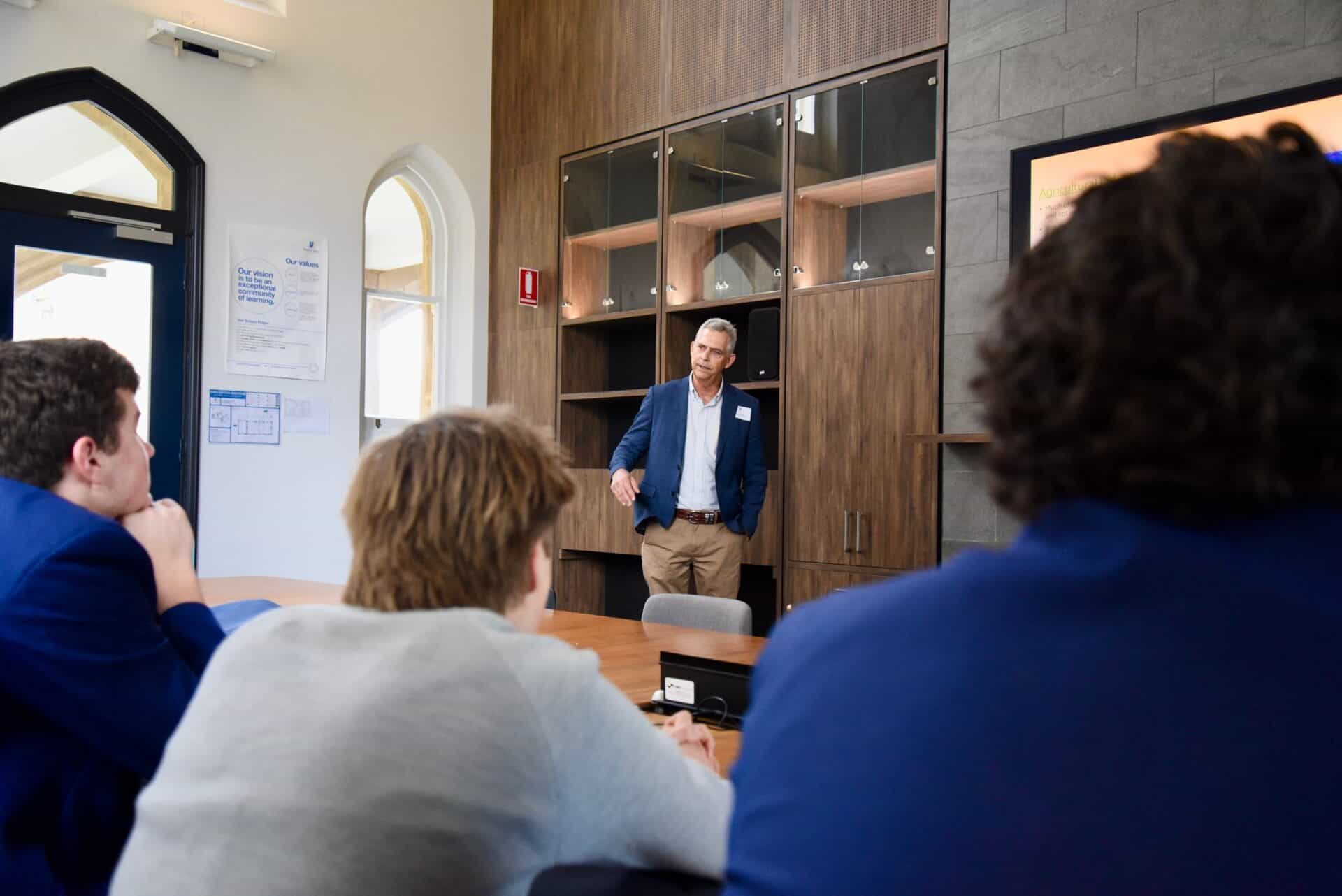
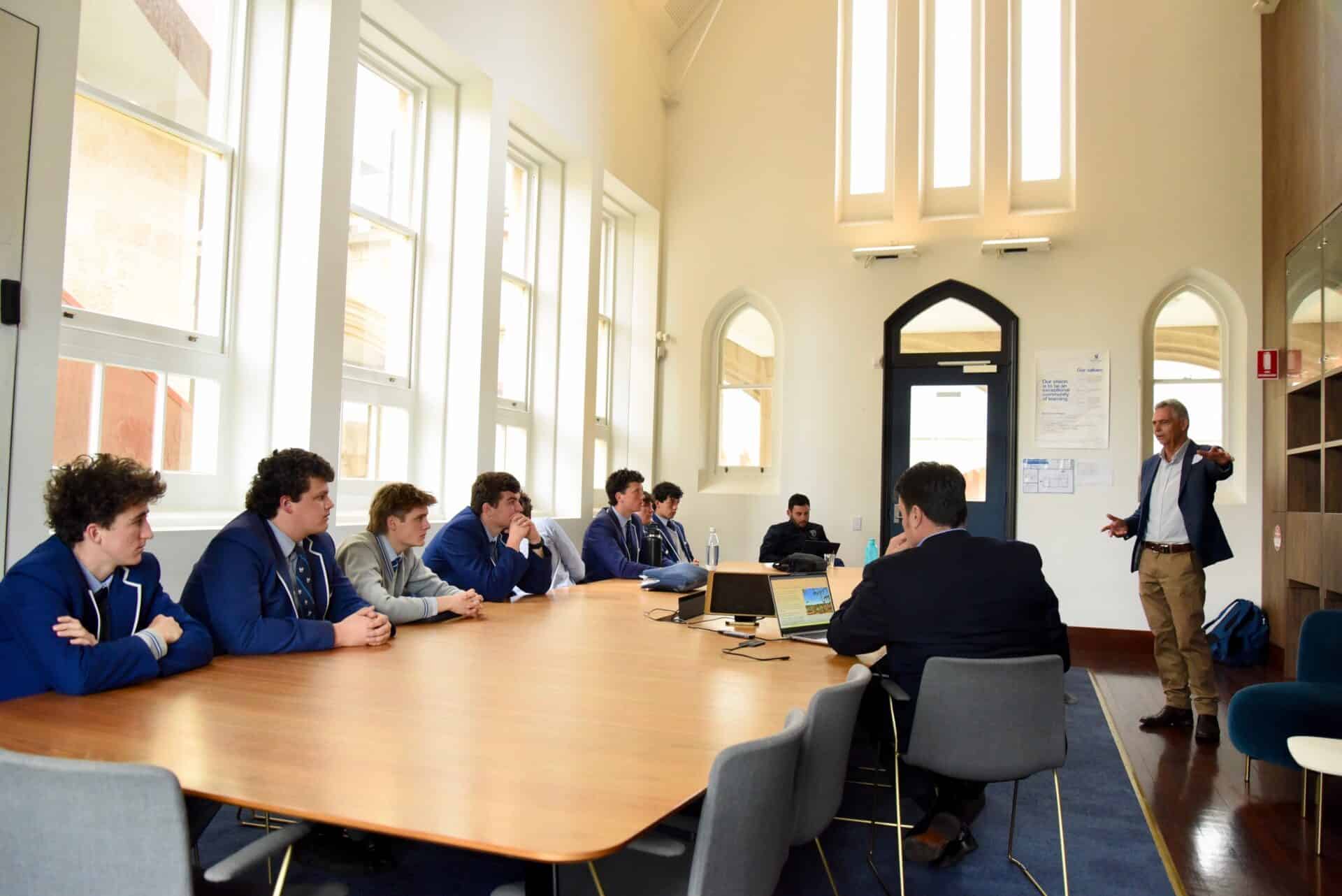
Boys then selected two workshops to attend, presented by old scholars and parents from a range of professions and businesses. These included fields such as agriculture, real estate, winemaking, the armed forces, medicine, law, education and professional sport, among others. The workshops explored ethical decision-making in the workplace and were designed to connect class discussions about spirituality and ethics with the boys’ career aspirations.
Student Reflections:
Ethics Morning, in my opinion, was a valuable initiative that gave students exposure to ethical issues in careers they’re interested in. My first workshop was in Education, which highlighted some of the challenges teachers and school leaders may face. I found it especially helpful to learn this from our Deputy Headmaster Mr Nolan, who explained the issues in detail and used clear examples to make his points.
My second workshop was in Medicine, which was set up quite differently. Instead of being lecture-based, it took the form of a Q&A with Associate Professor David Cherry AM. I particularly enjoyed this format, as Medicine is where my real passion lies, and it gave me the opportunity to ask Dr Cherry some specific questions.
Devansh Singhal
Throughout the duration of the ethics morning, I was able to learn about the ethics and morals behind Property Management and the Australian Defence Force. From the Defence Force, I learned about the morals of soldiers, such as “is it ok to kill someone if it’s your job to?” or “if you had the power to bomb a building containing terrorists and civilians, would you do it”. These questions raised in the discussion allowed me to deeply think and ponder the situations, which helped me to develop my understanding of ethics and morals. One of the best and most interesting parts of the discussions were the open talks where everyone was able to speak about their opinion and why. This broadened my understanding, and I learnt how there’s no wrong answers in ethics and everyone has their own opinion.
Will Foreman
My biggest takeaway was the number of ethical dilemmas in the Defence Force. This included the rules of engagement, international law, drones/AI, and reasonable use of force. What I particularly found interesting was the ethical dilemma in the idea of superior orders, where it’s international law that a soldier should only carry out an order if it’s legal, however they also have to consider the repercussions from their superiors for not following the order, even if illegal. Overall, I thought this was a useful event, and found the talks very interesting.
Nazareth Bucki
The first workshop that I was involved was with Ms Nicole Tyson. As a lawyer, she explained that she should place aside her own moral expectations and quandaries by instead focusing on achieving the best outcome for her client. She used the analogy of being a taxi, waiting to serve people regardless of their state. I later listened to a talk by Mr John Karoubas. He shared with us how his work often called for him to make tough decisions. He shared the ethical decision that he made to excuse himself from a case to not have a perceived conflict of interest and hold the importance of the case above his own investigative desires. The morning was an insightful examination into the ethical decisions many professionals face every day.
John Lucas
Nicholas Browne
Head of Faculty – Theology and Philosophy